
Immigration Appeals Lawyer Florida
A denial is not always the end of the road. When an immigration application, petition, or court decision does not go in your favor, you may have the right to appeal - and with the right legal team on your side, an appeal can make all the difference. The appeals process involves strict deadlines, complex legal arguments, and a thorough understanding of both immigration law and federal procedure, which is why experienced representation is absolutely essential. At Saavedra & Perez Law in Florida, our immigration appeals lawyers carefully analyze every denial to identify errors, build compelling arguments, and present your case in the strongest possible light before the Board of Immigration Appeals or federal courts. Call us today at 727-263-3568 for a free consultation and find out whether an appeal is the right next step for your case.
What to Do When Your Immigration Case Is Denied: Understanding Your Appeal Rights
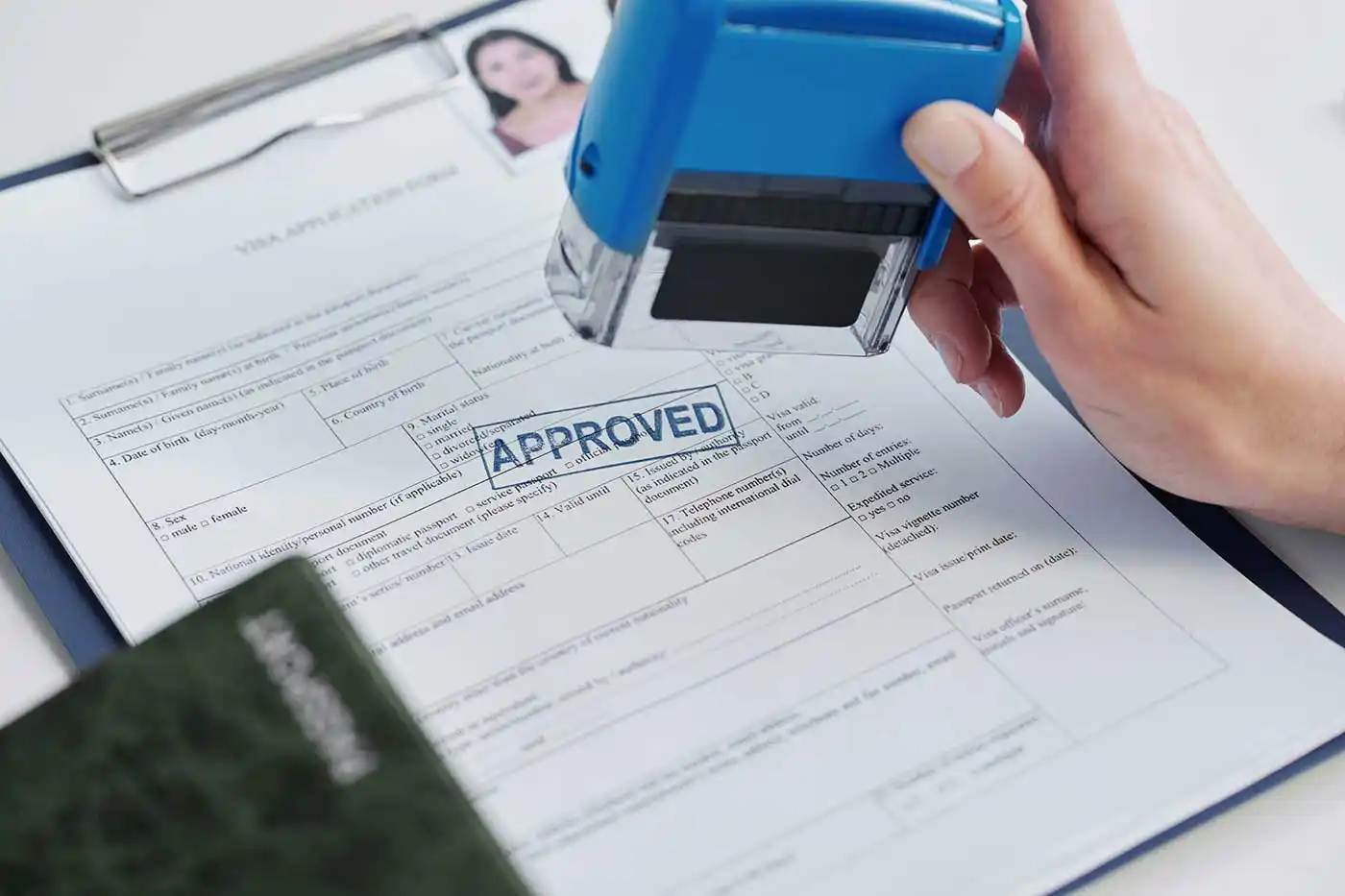
Immigration applications may be denied for many different reasons. Some denials involve missing documents or incomplete forms. Others happen because immigration officials believe the applicant does not meet eligibility requirements.
Certain cases involve concerns about criminal history, immigration violations, prior removal orders, or alleged inconsistencies in the application. In other situations, applicants may receive denials because deadlines were missed or supporting evidence was insufficient.
A denial notice usually explains why the application was rejected. Reviewing this explanation carefully is important because the reason for the denial often determines what legal options are available next.
Some denials involve discretionary decisions made by immigration officers. Others may result from legal interpretations or factual disputes. Understanding the basis for the denial is often the first step toward deciding whether an appeal or another legal action makes sense.
Not Every Denial Can Be Appealed
One of the most common misunderstandings in immigration law is the belief that every denial automatically qualifies for an appeal. In reality, appeal rights vary depending on the type of immigration benefit involved.
Certain applications may be appealed to the Administrative Appeals Office or the Board of Immigration Appeals. Other decisions may only allow motions to reopen or reconsider. Some discretionary decisions may have limited review options altogether. For example, removal orders issued by immigration judges often carry appeal rights through the Board of Immigration Appeals. Meanwhile, some visa denials handled through consular processing outside the United States may not provide a formal appeal process.
Because immigration law contains strict procedural rules, determining whether a case qualifies for review requires careful evaluation.
Understanding the Difference Between an Appeal and a Motion
Appeals and motions are different legal tools, even though people often confuse them.
- An appeal asks a higher authority to review the original decision and determine whether the immigration officer or judge made a legal or factual mistake. Appeals usually focus on arguing that the decision was incorrect based on the law or evidence already presented.
- A motion to reopen requests another review because new evidence or facts have become available. For example, someone may discover documents that were previously unavailable or experience new circumstances that affect eligibility.
- A motion to reconsider argues that the original decision was legally incorrect based on the existing evidence and applicable law.
Choosing the correct option depends on the details of the case and the type of denial involved.
Deadlines Matter in Immigration Appeals
Immigration law contains strict filing deadlines. Missing these deadlines can limit or eliminate the ability to challenge a denial. In many cases, appeals must be filed within 30 days of the decision. Some motions have similar timelines, while others may follow different deadlines depending on the type of immigration matter involved. The countdown usually begins on the date listed in the denial notice rather than the date the individual receives the document in the mail.
Waiting too long to seek legal guidance can create additional problems. Gathering records, reviewing the case history, and preparing supporting documents often takes time. Because immigration agencies rarely excuse late filings, acting promptly after receiving a denial notice is important.
The Board of Immigration Appeals and Its Role
The Board of Immigration Appeals, often called the BIA, reviews certain immigration decisions made by immigration judges and Department of Homeland Security officials.
When someone files an appeal with the BIA, the board reviews the legal arguments and case record to determine whether the original decision should stand. The appeals process usually involves written briefs explaining why the decision was incorrect. In many cases, the board issues a written decision without holding an in-person hearing. The BIA may dismiss the appeal, send the case back for further proceedings, or reverse the original ruling.
Appeals through the BIA can take many months. During this period, some individuals may remain in the United States while the case is pending.
What Happens After a Removal Order
A denied immigration case sometimes leads to removal proceedings or a deportation order. However, even after a removal order is issued, certain legal remedies may still exist. Some individuals may file appeals with the Board of Immigration Appeals. Others may qualify for motions to reopen based on changed circumstances, ineffective legal representation, or newly discovered evidence.
Federal court review may also be possible in limited situations. The availability of these options depends heavily on the facts of the case, prior immigration history, and whether deadlines have passed. Because removal orders can lead to detention or enforcement action, obtaining legal guidance quickly is often critical.
Common Reasons Appeals Are Successful
Appeals are not guaranteed to succeed, but some cases are overturned when legal or factual errors occurred during the original review process.
Examples may include:
- Incorrect interpretation of immigration law
- Failure to consider important evidence
- Procedural mistakes during court proceedings
- Misapplication of eligibility requirements
- Inaccurate findings about criminal history or immigration violations
Strong documentation and detailed legal arguments often play an important role in appeals cases. In some situations, the problem may not involve the law itself but rather incomplete evidence submitted during the original application process.
How Immigration Appeals Can Affect Status
Filing an appeal does not always automatically protect immigration status. The impact depends on the type of case involved. For some individuals, filing an appeal may temporarily pause enforcement actions while the case is reviewed. Others may still remain subject to removal or detention during the process.
People with pending appeals should continue complying with immigration court requirements, reporting obligations, and address update rules when applicable. Travel outside the United States during an appeal may also create additional complications in some cases.
Understanding how the appeal affects immigration status requires careful review of the individual's circumstances.
Why Legal Representation Matters
Immigration appeals involve detailed legal standards, written arguments, and procedural rules. Even small filing mistakes can affect the outcome. An attorney may help review the denial notice, identify possible legal errors, gather supporting evidence, and prepare legal briefs.
Cases involving criminal records, prior deportation orders, or allegations of fraud often require especially careful analysis. Legal representation can also help individuals avoid filing appeals that are unlikely to succeed while identifying stronger alternatives that may be available.
In some situations, pursuing a new immigration application or seeking different relief may be more effective than filing an appeal.
Emotional Stress Often Follows Immigration Denials
Immigration denials affect more than legal status. Many people experience anxiety, financial pressure, and uncertainty about their future after receiving a denial notice.
Families may worry about separation, employment problems, or disruptions to their daily lives. Students may fear losing educational opportunities. Workers may become concerned about maintaining authorization to remain employed.
These emotional pressures sometimes lead people to make rushed decisions or rely on inaccurate advice from unqualified sources.
Taking time to understand the denial and evaluate legal options carefully is often the best approach.
Appeal Your Case With Confidence With a Florida Immigration Appeals Attorney
A denial does not have to be the final word on your immigration future. With a skilled immigration appeals attorney advocating for you, there is still a path forward, and Saavedra & Perez Law in Florida is ready to walk that path with you. Our team thoroughly reviews every aspect of your case, identifies the legal errors or oversights that led to the unfavorable decision, and constructs compelling written and oral arguments designed to persuade the Board of Immigration Appeals or the federal courts. We understand how exhausting and discouraging the appeals process can feel, which is why we take on the legal heavy lifting so you can focus on your family and your life. Call us today at 727-263-3568 and let our immigration appeals attorney team give your case the second chance it deserves.

Written by
Michelle Perez
Immigration Removal Defense | Immigration Appeals | Crimmigration | VAWA | Military-Based Immigration
Michelle Perez, JD, is a founding attorney at Saavedra & Perez Law, PLLC, where she leads the firm's removal defense and immigration appeals practice. The daughter of immigrants herself, Michelle has lived this work firsthand - including personally guiding her father through the pardon process after decades-old criminal charges kept him from his home country for 58 years. Licensed in Florida with over a decade of experience, she represents clients in Immigration Court, before the Board of Immigration Appeals (BIA), and in federal proceedings, concentrating on removal defense, cancellation of removal, VAWA, waivers, and complex immigration matters involving criminal history. A member of the American Immigration Lawyers Association (AILA), she has presented at AILA panels on immigration law and client experience. Michelle is known for taking on complex, high-stakes cases and crafting creative legal arguments.