
Military-Based Immigration & Citizenship Lawyer Clearwater
The men and women who serve in the United States Armed Forces deserve every benefit and protection the law provides, and that includes the unique immigration benefits available to service members and their families. From expedited naturalization for those serving on active duty to immigration protections for non-citizen military spouses and dependents, military-based immigration law offers meaningful pathways that are often underutilized simply because people do not know they exist. At Saavedra & Perez Law in Clearwater, Florida, our military-based immigration and citizenship lawyers are honored to serve those who protect this nation, including families connected to MacDill Air Force Base, the broader Tampa Bay military community, and neighborhoods near Safety Harbor and Largo. We provide knowledgeable and personalized legal support to military families at every stage of the immigration process. If you are a service member or military family member with immigration questions, call us today at 727-263-3568 for a free consultation.
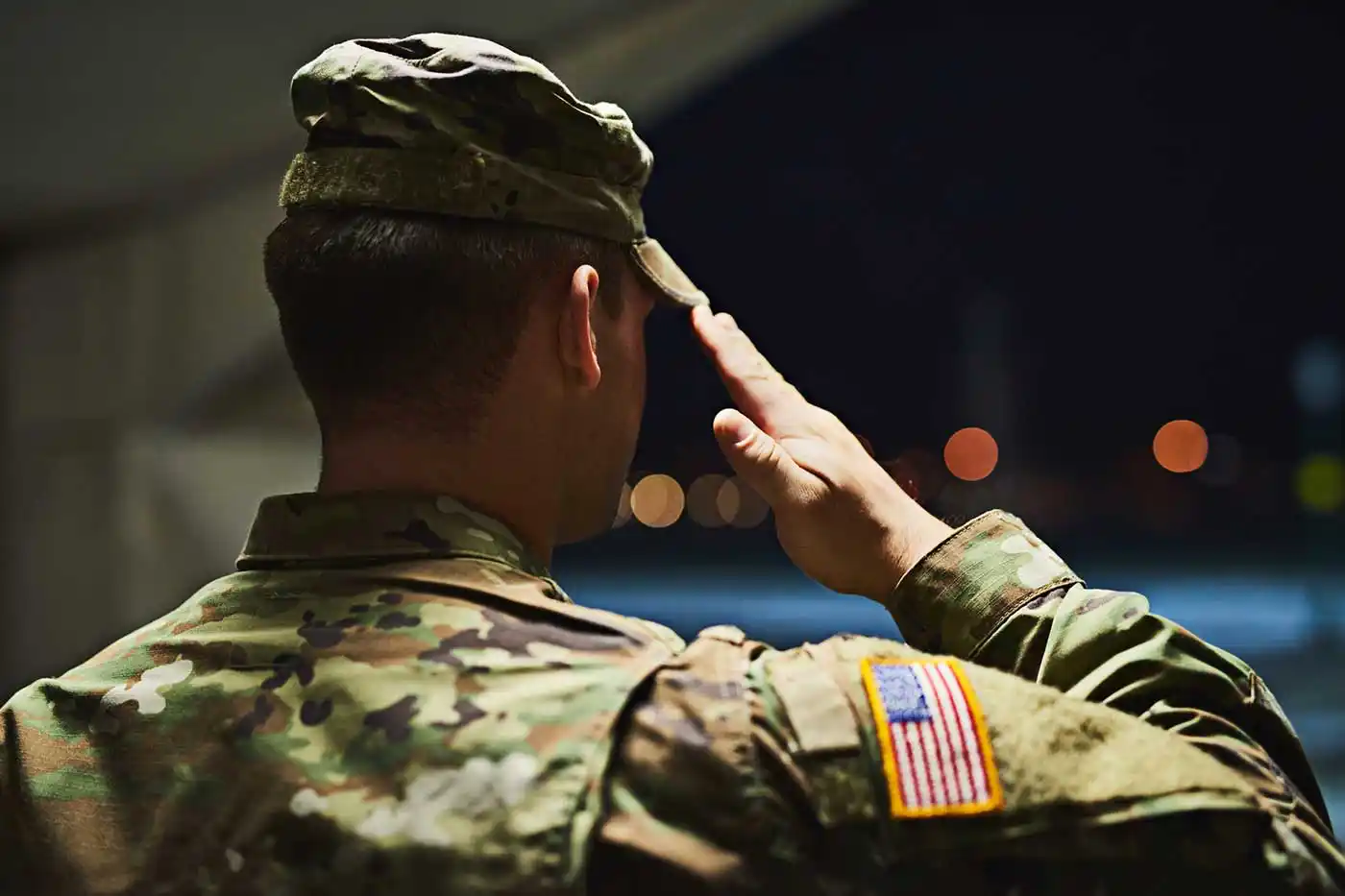
How Non-Citizen Service Members Can Become U.S. Citizens
Military service can create a meaningful path to U.S. citizenship for certain non-citizen service members. Many immigrants serve in the U.S. Armed Forces while still holding lawful permanent resident status or another eligible immigration classification. For these individuals, naturalization may become available through special military provisions that recognize the commitment and sacrifice involved in serving the country.
For non-citizen service members in Clearwater, Florida, the citizenship process can look different from the standard naturalization path. Some requirements may be reduced or waived for qualifying military applicants, including certain residence and physical presence requirements. For applicants connected to the Tampa Bay military community, including families near MacDill Air Force Base, Belleair, and the Gulf to Bay Boulevard corridor, the process still involves detailed paperwork, background checks, good moral character review, and proof of qualifying service.
Why Military Service Can Affect Naturalization
The U.S. immigration system has long recognized military service as a special basis for naturalization. Non-citizens who serve honorably may be eligible for citizenship under rules that differ from the standard process for civilian lawful permanent residents.
For many civilian applicants, naturalization requires several years of permanent residence, continuous residence in the United States, and a specific amount of physical presence. Military applicants may qualify under separate rules depending on whether they served during peacetime or during a designated period of hostilities.
This matters because some service members may be eligible to apply for citizenship sooner than they would under the ordinary five-year green card timeline. In certain situations, they may also be able to complete parts of the process while stationed away from their permanent home or while deployed.
Military naturalization is not automatic. A service member still has to apply, submit evidence, and meet the required standards. However, qualifying service can remove some barriers that would otherwise delay citizenship.
Who May Qualify for Military Naturalization
Eligibility depends on several factors, including the branch of service, service history, immigration status, and the nature of the applicant's military record.
Qualifying service may include service in branches such as the Army, Navy, Air Force, Marine Corps, Coast Guard, Space Force, or certain reserve components. Some members of the National Guard may also qualify depending on their service and whether they meet the legal requirements.
A non-citizen service member generally must show honorable service. This means the military record should support that the person served properly and did not receive a disqualifying discharge or serious disciplinary findings that could affect eligibility.
Applicants may include:
- Lawful permanent residents serving in the military
- Certain non-citizens who served during designated periods of hostilities
- Service members in active duty roles
- Certain reservists or qualifying National Guard members
- Veterans who previously served honorably
Because military service situations vary widely, eligibility should be reviewed carefully before filing. A person's discharge status, length of service, and immigration history can all affect the case.
Peacetime Naturalization for Service Members
Some non-citizen service members may qualify for naturalization based on honorable service during peacetime. This pathway typically requires at least one year of honorable military service.
This option can be helpful for lawful permanent residents who have served in the military and want to apply for citizenship without waiting through the full ordinary residence period that applies to many civilian applicants.
Even under peacetime military naturalization rules, the applicant must still meet several requirements. These may include good moral character, attachment to the principles of the U.S. Constitution, and willingness to take the Oath of Allegiance.
The applicant must also complete the naturalization application process. Military service may make the applicant eligible sooner, but it does not eliminate every part of the review.
Naturalization During Periods of Hostilities
Military naturalization may be broader during designated periods of hostilities. In these situations, qualifying service members may be eligible to apply for citizenship without meeting the same one-year service requirement that applies during peacetime.
This can be especially important for immigrants who serve during times when the United States has formally recognized hostilities for immigration and naturalization purposes.
Applicants under this pathway still need to show qualifying honorable service. They must also satisfy other naturalization requirements, including background checks and good moral character review.
Because the legal rules surrounding periods of hostilities can be technical, service members should avoid assuming eligibility without reviewing their specific service record and immigration status.
The Role of Form N-400
The main application for naturalization is Form N-400. Military applicants use this form to request U.S. citizenship, just like many civilian applicants.
However, military applicants usually also need additional documentation related to their service. One important document is certification of military or naval service, which helps confirm that the applicant has served honorably and meets the service-related requirements for naturalization.
The N-400 asks detailed questions about the applicant's identity, immigration history, travel, addresses, employment, criminal history, military service, and moral character. Accuracy is important. Even if someone qualifies through military service, errors or omissions on the application can cause delays or lead to requests for additional evidence.
For service members who have moved frequently due to assignments, gathering address history and employment details may take extra time. Military life often involves deployments, transfers, and temporary assignments, so applicants should prepare carefully before filing.
Good Moral Character Still Matters
Military service can help an applicant qualify for naturalization, but it does not erase every possible issue in a person's background. USCIS still reviews whether the applicant meets the good moral character requirement.
This review may include questions about:
- Criminal history
- Military discipline
- False statements on immigration forms
- Tax compliance
- Child support obligations
- Prior immigration violations
- Alcohol or drug-related incidents
- Other conduct that may affect eligibility
A service member with a prior arrest, dismissed case, court-martial, nonjudicial punishment, or other disciplinary issue should have the matter reviewed before applying. Some issues may not prevent citizenship, but others could create complications.
The most important thing is to be honest and prepared. Trying to hide a past issue can be more harmful than addressing it properly with records and an explanation.
English and Civics Requirements
Most naturalization applicants must show basic English ability and knowledge of U.S. history and government. Military applicants are often still required to complete these portions of the process unless they qualify for an exemption or accommodation.
The English portion usually involves reading, writing, and speaking. The civics portion involves answering questions about U.S. government, history, and civic principles.
Many service members are already familiar with parts of the civics material because of their military training and service experience. Still, preparation matters. Applicants should study ahead of the interview and make sure they understand what will be asked.
Some applicants may qualify for disability-based accommodations if a medical condition affects their ability to complete the testing requirements. These requests need proper documentation and should be handled carefully.
The Naturalization Interview
After the application is filed and processed, the applicant is usually scheduled for a naturalization interview. During the interview, an immigration officer reviews the N-400, confirms eligibility, asks questions about the applicant's background, and administers the English and civics tests if required.
For military applicants, the officer may also review service records and documentation confirming honorable service.
The interview may include questions about:
- Military history
- Immigration status
- Time spent outside the United States
- Criminal or disciplinary matters
- Family history
- Prior applications
- Commitment to the United States
Applicants should bring requested documents and be ready to answer questions clearly and honestly. If any information has changed since filing, such as a new address, deployment, marriage, divorce, arrest, or military status change, that update should be addressed.
Citizenship for Veterans
Veterans may also qualify for military naturalization if they meet the requirements. A former service member who served honorably may still have a path to citizenship even after leaving the military.
However, timing and discharge status can matter. A veteran who was separated under honorable conditions may be in a different position from someone with a less favorable discharge. Veterans should gather discharge papers, service records, and any immigration documents before seeking guidance.
Some veterans face special challenges if they never completed the citizenship process while serving. Others may have criminal or immigration issues that developed after discharge. These cases should be reviewed carefully because military service may still be important, but it may not resolve every legal concern.
Citizenship and Family Benefits
Military naturalization may also affect family immigration planning. Once a service member becomes a U.S. citizen, they may be able to sponsor certain relatives in ways that lawful permanent residents cannot.
For example, U.S. citizens may generally petition for spouses, unmarried children under 21, parents if the citizen is at least 21, married children, adult children, and siblings. Some of these categories still involve long waiting periods, but citizenship can expand available options.
Military families may also face unique immigration concerns when a spouse, parent, or child lacks lawful status. In some situations, military-related immigration programs may help qualifying relatives address certain barriers. These family-based options are separate from the service member's own naturalization case, but they are often part of the larger immigration plan.
Common Mistakes Service Members Should Avoid
Non-citizen service members should be careful not to assume that military service automatically grants citizenship. It does not. The applicant must still complete the naturalization process and receive approval.
- Common mistakes include:
- Waiting too long to begin the process
- Filing without complete service documentation
- Failing to disclose arrests or disciplinary matters
- Assuming dismissed charges do not matter
- Using outdated addresses during deployment or relocation
- Missing USCIS notices
- Leaving family immigration issues unresolved
- Not preparing for the interview or civics test
Because service members often have demanding schedules, deployments, and frequent moves, staying organized is especially important. Missing a notice or appointment can create unnecessary delays.
Why Legal Guidance Can Be Helpful
Military naturalization can offer a faster and more flexible path to citizenship, but the process still requires careful preparation. Service members may have complicated immigration histories, prior entries, long travel periods, base transfers, or family-related concerns that need attention.
An immigration attorney can help review eligibility, organize documentation, identify potential issues, and prepare the application. For service members in Clearwater, legal guidance may be especially helpful when military service overlaps with criminal history, prior immigration problems, or urgent family immigration needs.
A strong application should clearly show that the applicant qualifies and has the required honorable service. It should also address any concerns before they become obstacles.
Honor Your Service by Working With a Military-Based Immigration Attorney in Clearwater
Service members and their families who are navigating immigration challenges deserve legal support that is as committed and dependable as they are. At Saavedra & Perez Law, our Clearwater military-based immigration and citizenship attorney team is proud to stand alongside those who have worn the uniform of the United States Armed Forces, helping them and their families access every immigration benefit and protection available under the law. From expedited naturalization to green card petitions for military spouses, we handle these cases with the respect, precision, and dedication that military families deserve. Our team assists active-duty service members, veterans, and military families throughout Clearwater, including those near MacDill Air Force Base, Sand Key, and the Courtney Campbell Causeway, with legal guidance tailored to their immigration needs. Call Saavedra & Perez Law today at 727-263-3568 and connect with a military-based immigration attorney who is honored to serve those who serve us all.

Written by
Michelle Perez
Immigration Removal Defense | Immigration Appeals | Crimmigration | VAWA | Military-Based Immigration
Michelle Perez, JD, is a founding attorney at Saavedra & Perez Law, PLLC, where she leads the firm's removal defense and immigration appeals practice. The daughter of immigrants herself, Michelle has lived this work firsthand - including personally guiding her father through the pardon process after decades-old criminal charges kept him from his home country for 58 years. Licensed in Florida with over a decade of experience, she represents clients in Immigration Court, before the Board of Immigration Appeals (BIA), and in federal proceedings, concentrating on removal defense, cancellation of removal, VAWA, waivers, and complex immigration matters involving criminal history. A member of the American Immigration Lawyers Association (AILA), she has presented at AILA panels on immigration law and client experience. Michelle is known for taking on complex, high-stakes cases and crafting creative legal arguments.