
Citizenship Lawyer Florida
Becoming a U.S. citizen is one of the most significant milestones a person can achieve, a moment that represents years of hard work, sacrifice, and dedication to building a life in this country. Whether you are pursuing naturalization, claiming citizenship through a parent, or exploring another path to citizenship, the process requires careful preparation and a thorough understanding of the law. At Saavedra & Perez Law in Florida, our citizenship lawyers are passionate about helping immigrants cross the finish line and secure all of the rights and opportunities that come with U.S. citizenship. We take the time to review your unique background, identify the strongest path forward, and prepare you for every stage of the process. Call us today at 727-263-3568 to schedule your free consultation and take the next step toward becoming an American citizen.
Ways to Qualify for U.S. Citizenship
Most people are familiar with at least one way to become a U.S. citizen. Naturalization, the process of applying for citizenship after holding a green card for a certain number of years, tends to be the most widely discussed. But it is far from the only path. U.S. citizenship law is broader and more nuanced than many realize.
Understanding the full range of pathways matters. It can affect how you travel, whether you can vote, how you pass status to your children, and whether you are protected from deportation. Here is a thorough look at the primary ways a person can qualify for U.S. citizenship.
Birth on U.S. Soil
The most straightforward path to citizenship is being born in the United States. Under the Fourteenth Amendment to the Constitution, anyone born on U.S. soil is a citizen at birth, regardless of the immigration status of their parents. This principle, known as birthright citizenship, applies in all 50 states, including Florida, as well as in U.S. territories such as Puerto Rico, Guam, and the U.S. Virgin Islands.
This means that a child born in a Florida hospital to two undocumented parents is, legally, a U.S. citizen from the moment of birth. That citizenship is not contingent on any application or government approval. It exists by operation of law. The practical step of obtaining a U.S. passport or birth certificate simply documents what is already legally true.
Citizenship Through a U.S. Citizen Parent at Birth
A child does not have to be born on U.S. soil to be a citizen at birth. Under a legal principle known as jus sanguinis, or right of blood, citizenship can be transmitted from a U.S. citizen parent to a child born abroad. Whether this transmission occurs, and under what conditions, depends on the law that was in effect at the time of the child's birth.
The rules have changed over the decades, so the specific requirements vary depending on when the child was born. Generally, the U.S. citizen parent must have been physically present in the United States for a certain period before the child's birth. The exact length of time required, and whether both parents or just one needs to be a citizen, depends on the applicable statute at the time of birth.
Many people born outside the United States to at least one American parent have never formally claimed their citizenship. If you were born abroad and one of your parents was a U.S. citizen, it is worth speaking with an immigration attorney to determine whether you may already hold citizenship you have never documented.
Acquisition of Citizenship After Birth Through a Parent
Distinct from citizenship at birth is acquisition of citizenship after birth through a parent's naturalization. Under current law, a child who is a lawful permanent resident automatically becomes a U.S. citizen when certain conditions are met. The child must be under 18, must be a lawful permanent resident, and must be residing in the United States in the legal and physical custody of the U.S. citizen parent.
When all of those conditions are satisfied simultaneously, citizenship is acquired automatically by operation of law. No application is required, though obtaining a U.S. passport or filing Form N-600 to receive a certificate of citizenship serves as official documentation of the status.
This is another category where people are sometimes citizens without realizing it. If you came to the United States as a child with a green card and your parent later naturalized while you were still a minor living with them, you may have become a citizen at that moment. An attorney can help you evaluate whether this applies to your situation.
Naturalization After Lawful Permanent Residency
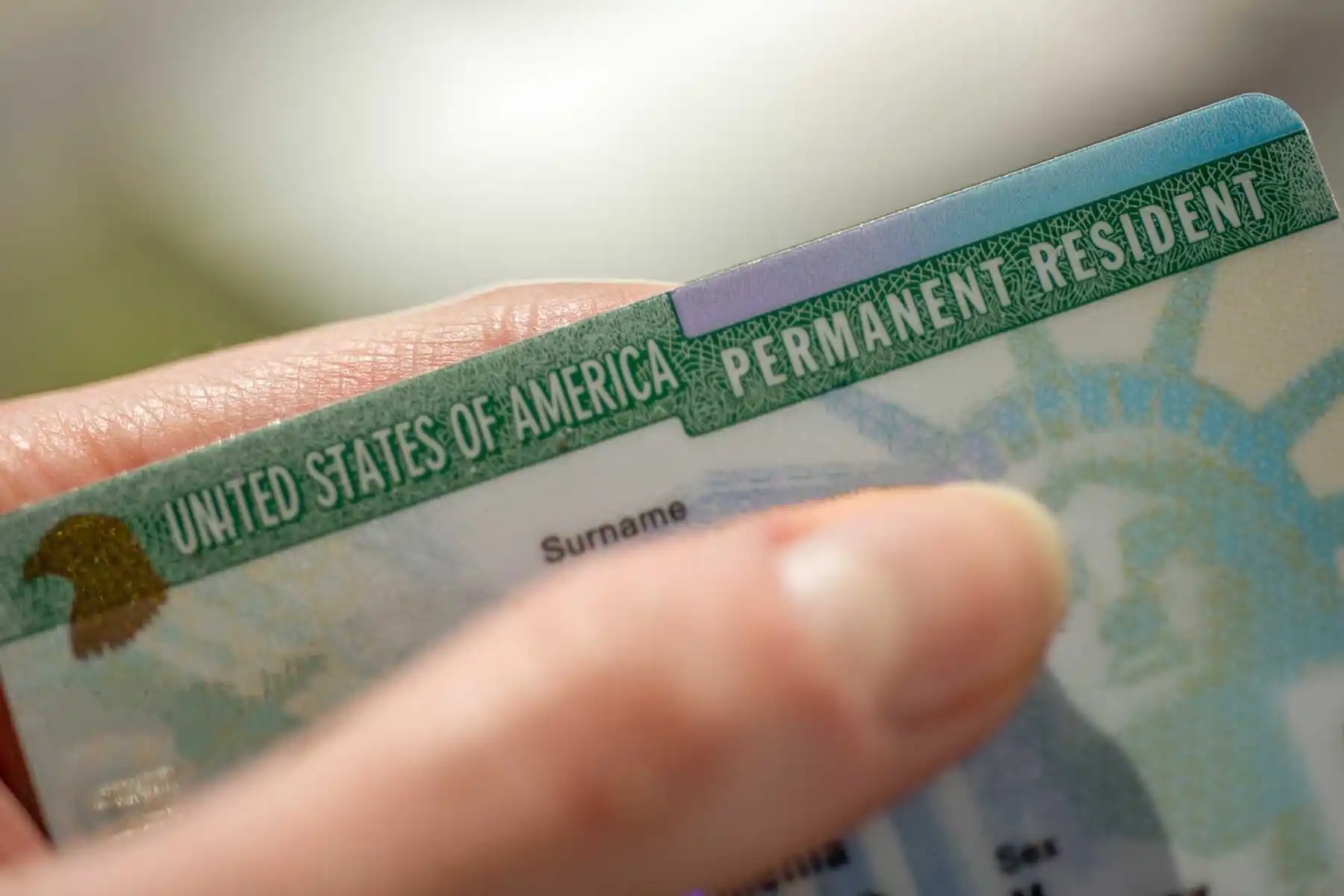
For most immigrants who did not acquire citizenship at birth or through a parent, naturalization is the primary pathway. To be eligible, a person must first be a lawful permanent resident, commonly referred to as a green card holder, and must meet a series of requirements set out in the Immigration and Nationality Act.
The standard requirement is five years of continuous residence in the United States as a lawful permanent resident. During that period, the applicant must have been physically present in the country for at least half of the time. Extended absences can disrupt continuous residence and may reset the clock, which is why travel patterns during the five-year period matter.
The applicant must also demonstrate good moral character during the statutory period, pass an English language test, and pass a civics exam covering U.S. history and government. There are limited exemptions to the language requirement for older applicants who have held a green card for a long time, and the civics exam has accommodations for applicants with certain disabilities.
Expedited Naturalization for Spouses of U.S. Citizens
Spouses of U.S. citizens qualify for an expedited naturalization timeline. Rather than waiting five years, they may apply after just three years of lawful permanent residency, provided they have been married to and living with the same U.S. citizen spouse throughout that period.
This shorter timeline reflects the longstanding recognition in U.S. immigration law that marriage to a citizen creates a close connection to the country and its values. The other requirements, including physical presence, good moral character, English proficiency, and the civics exam, still apply.
It is important to note that the marriage must be genuine and ongoing. A couple that has separated or divorced before the three-year mark would not qualify under this provision, and the applicant would need to wait for the standard five-year period instead.
Expedited Naturalization for Military Members and Veterans
Members of the U.S. Armed Forces have access to expedited naturalization pathways that reflect the extraordinary commitment of those who serve. During periods of designated hostilities, qualifying non-citizen service members can apply for naturalization without any prior period of lawful permanent residency. Service itself becomes the qualifying basis.
Outside of designated hostility periods, service members who have served honorably for at least one year on active duty or in the Selected Reserve may apply for naturalization with a reduced physical presence requirement. Posthumous citizenship is also available for non-citizen service members who die honorably in active duty service, providing a form of recognition even when the person is no longer alive to receive it.
Citizenship Through Qualifying Special Programs
Certain special immigrant categories also create pathways to citizenship through eventual eligibility for naturalization. Special Immigrant Juvenile Status, for example, provides a route to lawful permanent residency for abused, neglected, or abandoned immigrant children, and once they hold a green card, the standard naturalization timeline applies.
Similarly, refugees and asylees who obtain lawful permanent residency through their protection status become eligible for naturalization, with refugees counting their time from the date of admission to the United States and asylees from one year before the date their green card was granted.
Why It Pays to Know Your Options
One of the most common situations immigration attorneys encounter is a person who has been living as a lawful permanent resident for years, sometimes decades, who either did not know they had a faster path to citizenship or did not realize they may have already acquired it through a parent. Florida's diverse immigrant population means that many residents here fall into categories they have never fully explored.
Citizenship is the strongest immigration status available. It cannot be taken away under ordinary circumstances, it protects against deportation, and it allows you to pass status to your children. Knowing whether you already qualify or how close you are to qualifying is information worth having.
Start Your New Chapter With a Florida Citizenship Attorney by Your Side
Becoming a United States citizen is not just a legal milestone; it is a life-changing achievement that opens doors to rights, opportunities, and security that will last a lifetime. The citizenship attorney team at Saavedra & Perez Law in Florida is proud to help immigrants from all backgrounds reach this incredible goal. We carefully review each client's unique history, identify the most effective path to citizenship, and provide thorough preparation for the naturalization interview and exam so that you can walk in with confidence. This is one of the most important applications you will ever file, and we are here to make sure it is done right. Call Saavedra & Perez Law today at 727-263-3568 to connect with a citizenship attorney who is just as invested in your success as you are.

Written by
Michelle Perez
Immigration Removal Defense | Immigration Appeals | Crimmigration | VAWA | Military-Based Immigration
Michelle Perez, JD, is a founding attorney at Saavedra & Perez Law, PLLC, where she leads the firm's removal defense and immigration appeals practice. The daughter of immigrants herself, Michelle has lived this work firsthand - including personally guiding her father through the pardon process after decades-old criminal charges kept him from his home country for 58 years. Licensed in Florida with over a decade of experience, she represents clients in Immigration Court, before the Board of Immigration Appeals (BIA), and in federal proceedings, concentrating on removal defense, cancellation of removal, VAWA, waivers, and complex immigration matters involving criminal history. A member of the American Immigration Lawyers Association (AILA), she has presented at AILA panels on immigration law and client experience. Michelle is known for taking on complex, high-stakes cases and crafting creative legal arguments.