
Parole Programs for Immigration Lawyer Clearwater
Immigration parole programs can be a vital option for individuals and families in Clearwater, Florida, who are seeking to enter or remain in the United States under urgent or humanitarian circumstances. From the CHNV programs for nationals of Cuba, Haiti, and Nicaragua to Parole in Place for military families, these programs can provide temporary lawful status and work authorization for those who meet the requirements. For families near the Cleveland Street District, Sand Key, and communities around Moccasin Lake Nature Park, understanding which parole option may apply can be an important first step toward stability. However, eligibility rules shift frequently, and deadlines can be unforgiving, making experienced legal support absolutely essential. At Saavedra & Perez Law, our parole programs for immigration lawyers monitor policy changes closely so that our clients never miss a critical opportunity. If you think you or a family member may qualify for an immigration parole program in Clearwater, call us today at 727-263-3568 for a free consultation to explore your options.
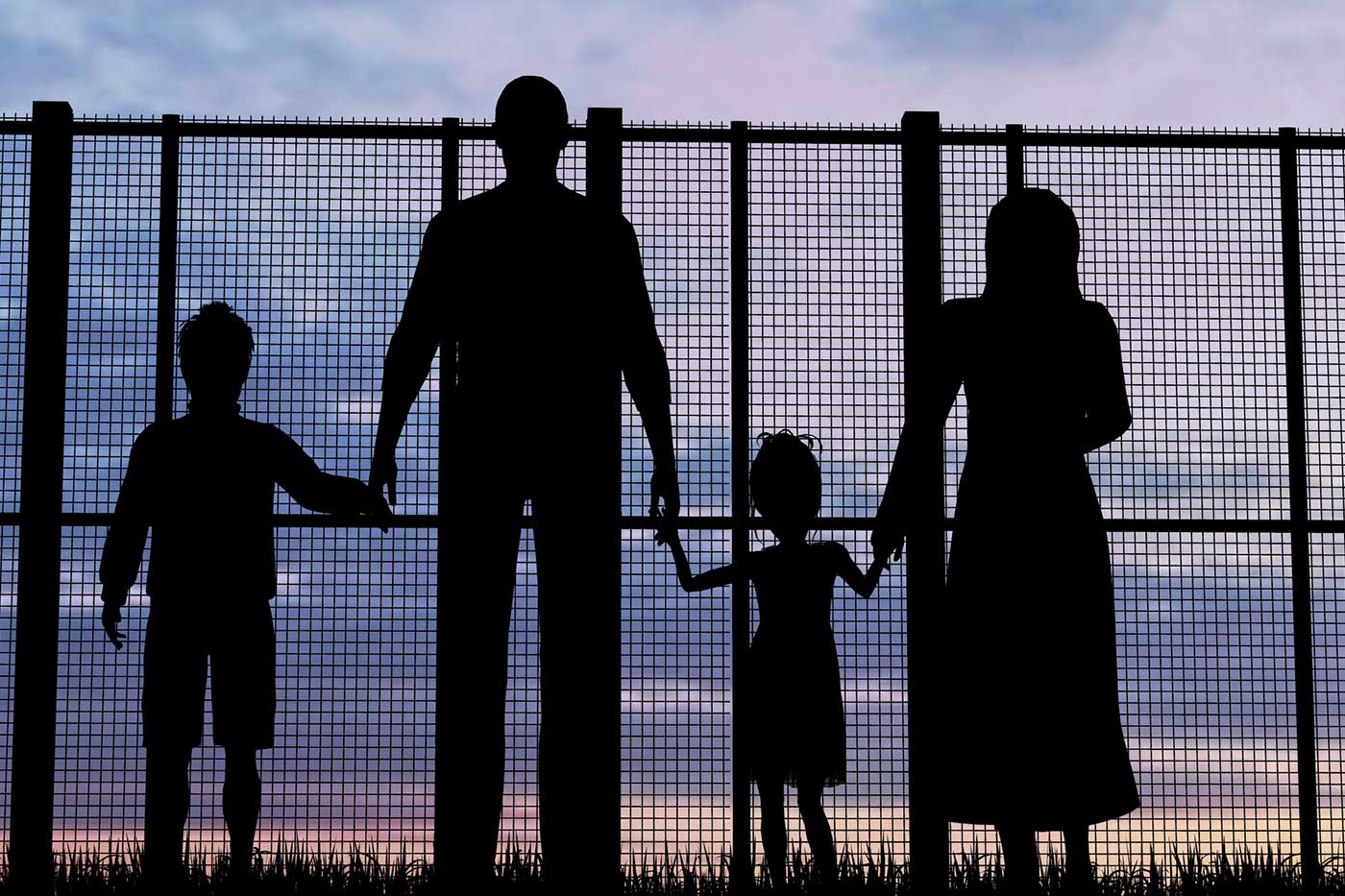
The Difference Between Parole and a Visa: What Clearwater Immigrants Need to Know
A visa is an official authorization that allows a person to travel to a U.S. port of entry and request admission into the country for a specific purpose. Visas are issued by U.S. embassies or consulates abroad.
There are many different types of visas, including:
- Tourist visas
- Student visas
- Work visas
- Family-based immigrant visas
- Fiancé visas
- Exchange visitor visas
Each visa category comes with its own requirements, restrictions, and permitted activities.
One important point many people misunderstand is that a visa itself does not guarantee entry into the United States. Instead, it allows the individual to travel to a port of entry where Customs and Border Protection officers decide whether admission will be granted.
If admitted, the individual usually receives a period of authorized stay based on the purpose of the visa.
For example, someone entering on a student visa may remain for the duration of their studies, while someone on a tourist visa may only be allowed to stay for several months.
What Immigration Parole Means
Parole is very different from a visa. Immigration parole is not a visa category and does not provide formal admission into the United States. Instead, parole is a temporary authorization allowing someone to physically enter or remain in the country for specific humanitarian or public interest reasons.
Parole is generally discretionary, meaning immigration authorities decide whether to grant it based on the circumstances presented.
People may receive parole for several reasons, including:
- Humanitarian emergencies
- Medical needs
- Family reunification programs
- Urgent public benefit situations
- Certain humanitarian immigration initiatives
In many cases, parole is granted for a limited period of time and does not automatically create a direct pathway to permanent residency or citizenship.
This distinction is extremely important because many individuals mistakenly believe parole gives them the same protections or long-term status as a visa or green card.
Why the Difference Matters
The difference between parole and a visa affects nearly every aspect of an immigrant's legal situation.
These differences may include:
- Length of authorized stay
- Ability to work
- Eligibility for adjustment of status
- Travel rights
- Access to immigration benefits
- Long-term immigration options
For example, a person who enters with an immigrant visa and becomes a lawful permanent resident receives a very different legal status from someone who enters temporarily through a humanitarian parole program.
Similarly, someone with a temporary work visa may have employer-sponsored authorization tied to their employment, while a parolee may need to separately apply for work authorization.
Understanding these distinctions can help immigrants avoid dangerous assumptions about their rights or future options.
Parole Does Not Automatically Create Legal Status
One of the most common misunderstandings involves the belief that parole automatically grants lawful immigration status.
Parole allows physical presence in the United States for a temporary period, but it is not considered formal admission in the same way as many visa categories. It also does not automatically provide permanent lawful status.
Some parole programs may eventually allow eligible individuals to pursue additional immigration benefits, but that process depends on separate laws and eligibility requirements.
For example, some parolees may later become eligible through:
- Family-based immigration petitions
- Humanitarian protections
- Employment sponsorship
- Asylum applications
- Special adjustment programs
Others may not have an immediate pathway to permanent residency at all.
This is why individualized legal guidance is often important for people currently in the United States under parole programs.
Humanitarian Parole Programs and Public Attention
In recent years, immigration parole programs have received significant public attention. Humanitarian parole initiatives have been used in response to international crises, political instability, war, and humanitarian emergencies.
Some programs have allowed eligible individuals from certain countries to temporarily enter the United States under specific conditions.
Because these programs are often announced publicly, many people assume parole works like a visa or permanent immigration benefit. In reality, parole programs are usually temporary and may change based on federal policy decisions.
Program requirements, renewal options, and eligibility rules can also shift over time.
Immigrants in Clearwater who entered through humanitarian parole programs should carefully review the terms of their authorization and understand what options may exist before their parole period expires.
Visas Often Have Specific Purpose Restrictions
Visa holders are generally expected to follow the purpose connected to their visa classification.
For example:
- Tourist visas are typically for temporary visits
- Student visas are connected to educational programs
- Work visas are tied to approved employment
- Exchange visas involve specific cultural or educational activities
Violating the terms of a visa may create immigration problems later. Unauthorized employment, overstaying authorized time periods, or misrepresenting intentions during the visa process can all affect future immigration eligibility.
Parole recipients may also face restrictions, but the rules governing parole are often different from those tied to traditional visa categories.
Because immigration consequences can become serious quickly, understanding the conditions attached to a person's entry is critical. For individuals and families in Clearwater, from the neighborhoods near Del Oro Groves and Coachman Ridge to communities along McMullen Booth Road, clear legal guidance can help prevent avoidable issues and protect future immigration options.
Travel Rights Are Different
Travel can become another complicated issue.
Visa holders often have travel rules connected to their visa validity and status. Depending on the category, they may leave and re-enter the United States using their visa during the approved period.
Parolees, however, may need separate travel authorization before leaving the country. Departing the United States without proper authorization can sometimes terminate parole or create difficulties returning.
Additionally, parole itself may expire while a person remains in the United States if no extension or additional immigration protection is obtained.
Because international travel may affect immigration eligibility, individuals should avoid making travel decisions without understanding how their current status may be impacted.
Work Authorization Is Not Always Automatic
Many immigrants assume permission to enter the country automatically includes permission to work. That is not always true.
Some visa categories include employment authorization as part of the visa classification. Others do not.
For parole recipients, work authorization often requires a separate application and approval process.
This distinction is especially important because unauthorized employment may create future immigration complications.
Before accepting employment, immigrants should confirm whether:
- Their current immigration category allows employment
- Additional work authorization is required
- Their work authorization document remains valid
- Renewal applications are needed
Mistakes involving employment eligibility can affect future applications for adjustment of status or other immigration benefits.
Can Parole Lead to a Green Card
One of the biggest questions many parole recipients have is whether parole can eventually lead to lawful permanent residence.
The answer depends entirely on the person's circumstances.
Parole alone does not automatically create a pathway to a green card. However, some parolees may later become eligible through separate immigration processes.
For example, an individual may later qualify through:
- Marriage to a U.S. citizen
- Family sponsorship
- Employment sponsorship
- Humanitarian protections
- Special legislative programs
In some situations, parole may help satisfy certain legal entry requirements for adjustment of status. In others, additional complications may exist.
Because immigration laws are highly fact-specific, legal analysis is often necessary before assuming eligibility for permanent residency.
Why Immigration Terminology Causes Confusion
Immigration law uses many technical terms that sound similar but carry very different legal meanings.
Words like:
- Admission
- Parole
- Status
- Visa
- Authorized stay
- Adjustment of status
All have distinct definitions under immigration law.
Many immigrants understandably use these terms interchangeably in everyday conversation, but small differences in terminology may have major legal consequences.
For example, someone may say they "have papers" or "have legal entry" without realizing their specific immigration category affects what benefits are available.
This confusion is one reason immigration consultations often begin with a detailed review of a person's immigration history and entry records.
The Importance of Reviewing Your Immigration Situation Carefully
Every immigration case is different. Two people may arrive in the United States around the same time yet have completely different legal rights depending on how they entered, what documents they received, and what immigration benefits they later pursued.
Immigrants in Clearwater should avoid relying solely on general information from friends, social media, or online discussions when making decisions about their future.
Important details may include:
- How the person entered the country
- Whether inspection or parole occurred
- Expiration dates
- Existing petitions
- Prior immigration violations
- Current work authorization
- Family relationships
- Humanitarian eligibility
Even minor differences in immigration history may change what legal options are available.
Act Now With a Clearwater Parole Programs Attorney in Your Corner
Immigration parole programs operate within tight windows of eligibility and are subject to policy changes that can alter your options with little warning. For Clearwater families near the Highland Pines area, the communities around Drew Street, and neighborhoods close to Safety Harbor, acting quickly can be critical. Working with an experienced legal team can help you understand the requirements, prepare the right documentation, and avoid preventable delays. At Saavedra & Perez Law, our Clearwater parole programs attorney team stays ahead of the latest developments in federal immigration policy so that our clients always have access to accurate, up-to-date guidance about their options. Whether you are applying for parole for the first time, renewing an existing grant of parole, or dealing with a complication in your case, we are prepared to help you move forward with a clear and effective strategy. Do not let uncertainty or delay cost you a critical opportunity. Call Saavedra & Perez Law today at 727-263-3568 and let our parole programs attorney team help you make the most of the options available to you right now.

Written by
Michelle Perez
Immigration Removal Defense | Immigration Appeals | Crimmigration | VAWA | Military-Based Immigration
Michelle Perez, JD, is a founding attorney at Saavedra & Perez Law, PLLC, where she leads the firm's removal defense and immigration appeals practice. The daughter of immigrants herself, Michelle has lived this work firsthand - including personally guiding her father through the pardon process after decades-old criminal charges kept him from his home country for 58 years. Licensed in Florida with over a decade of experience, she represents clients in Immigration Court, before the Board of Immigration Appeals (BIA), and in federal proceedings, concentrating on removal defense, cancellation of removal, VAWA, waivers, and complex immigration matters involving criminal history. A member of the American Immigration Lawyers Association (AILA), she has presented at AILA panels on immigration law and client experience. Michelle is known for taking on complex, high-stakes cases and crafting creative legal arguments.