
Special Juvenile Visa (SIJS) Lawyer Clearwater
Immigrant children in Clearwater, Florida, who have suffered abuse, neglect, or abandonment should never be left without legal protection, and Special Immigrant Juvenile Status exists precisely to provide a pathway to safety and permanent residency for these vulnerable young people. For families near Crest Lake Park, the Glenwood area, or communities close to the Pinellas County Justice Center, the SIJS process can feel especially urgent because it involves both Florida's state family courts and the federal immigration system. This layered legal process requires careful coordination and timely action. Age is also a critical factor, as eligibility generally requires that the child be under 21, making it essential to begin the process as early as possible. At Saavedra & Perez Law, our Special Juvenile Visa lawyers are deeply committed to protecting the futures of immigrant children throughout Florida. Call us today at 727-263-3568 for a free consultation and let us help the child in your care find safety and stability.
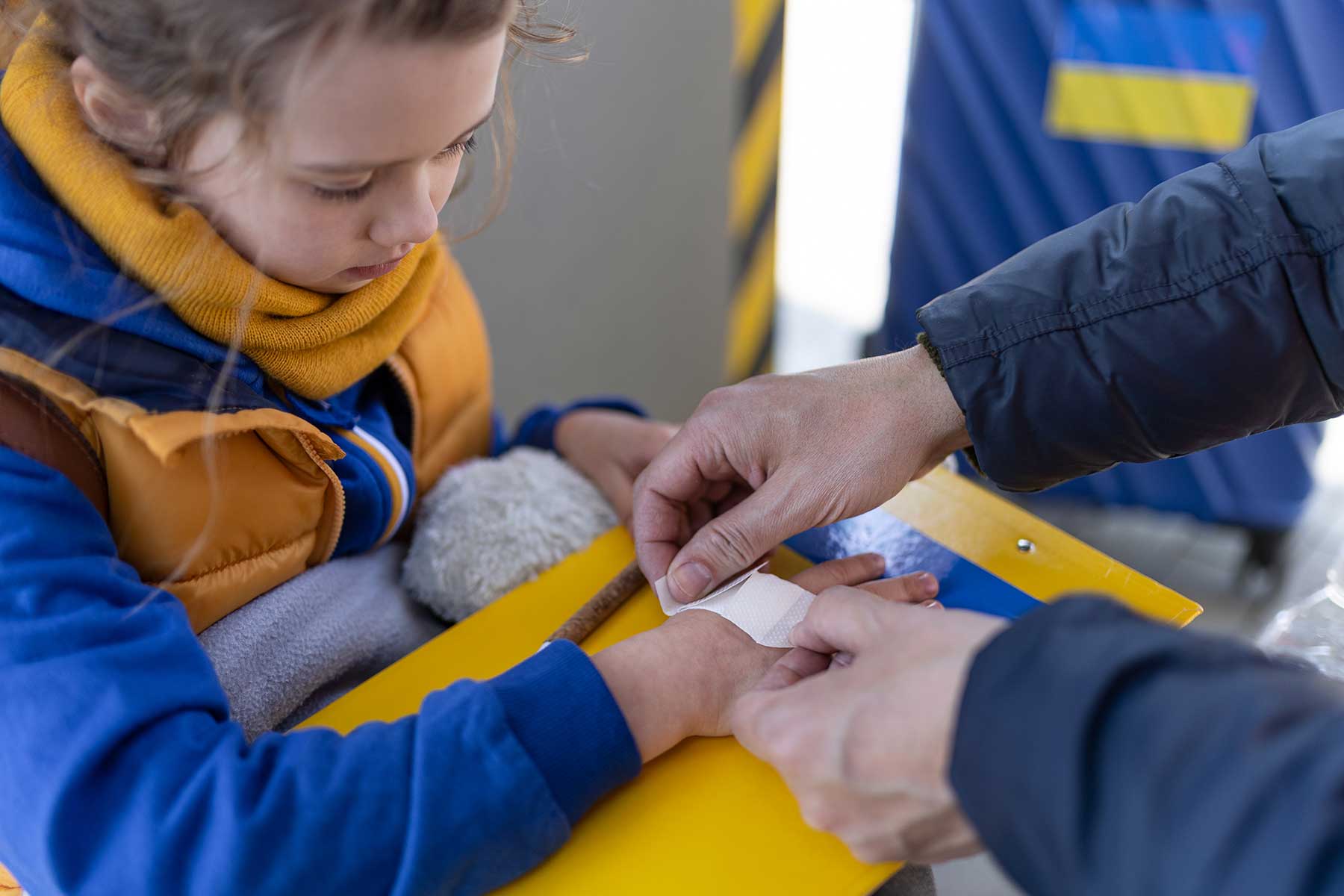
What Is Special Immigrant Juvenile Status and Who Is It Designed to Help?
Special Immigrant Juvenile Status, often called SIJS, is an immigration protection designed for certain children and young people who cannot safely reunify with one or both parents because of abuse, abandonment, neglect, or a similar basis under state law. For eligible children in Clearwater, Florida, SIJS may provide a pathway toward lawful permanent residence in the United States.
Many families first hear about SIJS during a difficult period. A child may be living with one parent, a relative, a family friend, or another caregiver after being mistreated or left without proper support. In other situations, the child may have entered the United States alone or may be living in Florida because returning to their home country would place them in an unsafe or unstable situation. SIJS exists to help children whose family circumstances make reunification with a parent impossible or harmful.
What Special Immigrant Juvenile Status Is
Special Immigrant Juvenile Status is a federal immigration classification for qualifying children who have been abused, abandoned, neglected, or placed in a similar harmful situation by one or both parents. It recognizes that some children cannot safely return to a parent's care and should have a way to seek protection and stability in the United States.
SIJS is not simply a family immigration petition. A parent does not sponsor the child. Instead, the process begins with a state court order that makes specific findings about the child's circumstances. After that, the child may apply to U.S. Citizenship and Immigration Services for SIJS classification.
If approved, SIJS may eventually allow the child to apply for a green card. However, approval does not always mean the child receives permanent residence immediately. Visa availability, the child's immigration history, and other eligibility factors can affect the timeline.
The most important purpose of SIJS is protection. It is meant to help children who have already experienced serious family hardship and need a safer legal path forward.
Who SIJS Is Designed to Help
SIJS is designed to help children who cannot reunify with one or both parents because of abuse, abandonment, neglect, or a comparable basis under state law. These situations can look different from family to family.
A child may qualify when a parent has physically harmed them, failed to provide basic care, left them without support, disappeared from their life, exposed them to unsafe conditions, or refused to take responsibility for their well-being. In some cases, the issue involves one parent. In others, both parents may be unable or unwilling to provide safe care.
For example, a child living in Clearwater with an aunt, uncle, grandparent, older sibling, or trusted family friend may need SIJS protection if a parent abandoned the child years ago or if returning to a parent would not be safe. Another child may live with one caring parent but still qualify if the other parent was abusive, neglectful, or absent.
SIJS is not limited to children who crossed the border alone. It may apply to children who entered with relatives, children who overstayed visas, children who live with one parent, or children who are in dependency, guardianship, custody, or similar proceedings. What matters is whether the child meets the legal requirements and whether the state court can make the necessary findings.
The Role of Florida State Court
One reason SIJS can feel complicated is that it requires involvement from a state court before USCIS can approve the immigration classification. In Florida, this may involve a court handling dependency, custody, guardianship, or a related child welfare matter.
The state court does not grant immigration status. Instead, the court decides child welfare issues and may issue findings needed for the SIJS process. These findings generally address whether the child is dependent on the court or placed under the custody of an individual or agency, whether reunification with one or both parents is not viable because of abuse, abandonment, neglect, or a similar basis under Florida law, and whether returning to the child's home country would not be in the child's best interest.
This court order is a critical part of the SIJS case. Without the required findings, USCIS generally cannot approve the SIJS petition.
Because the state court portion involves family circumstances, evidence, and Florida law, families should prepare carefully. The facts must be presented clearly and honestly. Courts take these matters seriously because they involve a child's care, safety, and long-term stability.
Does a Child Need Both Parents to Be Abusive or Absent
A common misunderstanding is that SIJS only applies if both parents are abusive, neglectful, or absent. That is not always the case. A child may qualify if reunification with one or both parents is not viable because of abuse, abandonment, neglect, or a similar reason under state law.
This means a child may still have a loving and supportive parent in their life and potentially qualify because the other parent caused harm, abandoned the child, or failed to provide care. For example, a child may live safely with their mother in Florida, while the father has been absent for years or created an unsafe situation. Depending on the facts, that child may still be eligible for SIJS findings.
Every case depends on the details. The court must have enough information to understand the family history and why reunification with the parent is not viable. General statements are usually not enough. The case should explain what happened, how it affected the child, and why the requested findings are appropriate.
Age Requirements Matter
SIJS is for children and young people, so age is extremely important. Federal immigration law generally requires the SIJS petition to be filed while the applicant is under 21. However, the state court must have jurisdiction over the child under state law, and this can create timing concerns.
In Florida, certain child welfare, custody, or guardianship options may depend on the child's age and circumstances. Waiting too long can make the process more difficult or even prevent the state court from issuing the necessary order.
For that reason, families should not delay if they believe a child may qualify. A young person approaching 18 or 21 may still have options, but timing becomes critical. Starting early gives the family more time to gather evidence, file the correct court action, and pursue the immigration portion before deadlines become a serious problem.
What Evidence May Support an SIJS Case
Evidence in an SIJS case depends on the child's history and the type of court proceeding involved. The goal is to help the court understand the child's circumstances and why the requested findings are legally appropriate.
Useful evidence may include school records, medical records, police reports, child protective services records, proof that a parent has been absent, messages or letters, financial support records, birth certificates, affidavits from caregivers, and testimony from people who know the child's situation.
In some cases, the child's own statement may be important. In others, a caregiver or relative may provide much of the information. The evidence should show more than family conflict or ordinary disagreement. It should explain why reunification with the parent is not viable because of abuse, abandonment, neglect, or a similar serious basis.
Because many children do not have perfect documentation, families should not assume they cannot proceed just because records are limited. SIJS cases often involve difficult family histories where formal documents are incomplete. What matters is building the strongest possible record with the evidence available.
What Happens After the State Court Order
Once the state court issues the required SIJS findings, the child may file a petition with USCIS. This is usually done through Form I-360. USCIS reviews whether the child meets the federal requirements for SIJS and whether the state court order contains the necessary findings.
USCIS may approve the SIJS petition, deny it, or request additional evidence. A request for evidence does not always mean the case will be denied, but it does mean USCIS needs more information or clarification.
If SIJS is approved, the child may become eligible to apply for lawful permanent residence when a visa is available. Depending on visa backlogs and the child's country of birth, this may take time. Some children may be able to apply for a green card sooner than others.
During this stage, careful immigration planning remains important. SIJS approval is a major step, but it is not always the final step.
Can SIJS Lead to a Green Card
Yes, SIJS can create a pathway to a green card for eligible children. After USCIS approves the SIJS petition and an immigrant visa becomes available, the child may apply for adjustment of status if they qualify.
This process allows the child to seek lawful permanent residence in the United States. A green card can provide greater stability, work authorization when age-appropriate, and a stronger foundation for the child's future.
However, SIJS has limits. A child who obtains a green card through SIJS generally cannot later petition for the parent whose abuse, abandonment, or neglect formed the basis of the SIJS case. This is an important consequence families should understand before moving forward.
The goal of SIJS is to protect the child, not to create an immigration benefit for the parent who caused harm or failed to provide care.
Common Misunderstandings About SIJS
Many families misunderstand who can qualify for SIJS. Some assume the child must be in foster care. Others believe the child must have no parents in the United States. Some think the child must have suffered severe physical abuse to qualify.
In reality, SIJS may apply in a range of situations involving abuse, abandonment, neglect, or a similar basis under state law. A child may live with a responsible parent, relative, or guardian. The harm may involve long-term abandonment, failure to provide support, emotional mistreatment, unsafe living conditions, or other serious parental failures.
Another misunderstanding is that SIJS is automatic once a state court order is issued. It is not. USCIS still reviews the federal petition. Later, the green card stage requires a separate review as well.
Families should also understand that SIJS is not a quick fix. The process can involve multiple stages, court filings, immigration forms, background checks, and waiting periods. Even so, it may be one of the most important protections available to vulnerable children.
Why Legal Guidance Can Be Important
SIJS cases require coordination between state court and immigration law. This makes them more complex than many families expect. A mistake in the state court order can create problems with USCIS. Missing an age deadline can affect eligibility. Filing without enough evidence can cause delays or denials.
Legal guidance can help families understand which court process may be appropriate, what evidence is needed, how the child's age affects timing, and what immigration steps follow the state court order.
For children in Clearwater, this support can be especially important when family circumstances are already stressful. Caregivers may be trying to provide housing, schooling, emotional support, and stability while also navigating a legal system they do not fully understand. An organized approach can help protect the child's immigration future and reduce avoidable setbacks.
Give Every Child a Fighting Chance With a Clearwater SIJS Attorney
Immigrant children who have faced abuse, neglect, or abandonment deserve a legal advocate who will fight without hesitation to secure their future. At Saavedra & Perez Law, our Clearwater Special Juvenile Visa attorney team is committed to guiding children, guardians, and advocates through the SIJS process with care, precision, and urgency. We coordinate carefully between Florida's state family court system and the federal immigration process to make sure no step is missed and no deadline is overlooked. For families in Clearwater, including those near the Pinellas County Justice Center, the Lakeview area, and nearby Safety Harbor, this level of coordination can be especially important when a child's safety, stability, and immigration future are at stake. Because SIJS eligibility is tied to age, starting the process as early as possible is critical. Do not wait until an opportunity is lost. Call Saavedra & Perez Law today at 727-263-3568 and let our dedicated SIJS attorney team help the child in your life access the permanent protection they deserve.

Written by
Michelle Perez
Immigration Removal Defense | Immigration Appeals | Crimmigration | VAWA | Military-Based Immigration
Michelle Perez, JD, is a founding attorney at Saavedra & Perez Law, PLLC, where she leads the firm's removal defense and immigration appeals practice. The daughter of immigrants herself, Michelle has lived this work firsthand - including personally guiding her father through the pardon process after decades-old criminal charges kept him from his home country for 58 years. Licensed in Florida with over a decade of experience, she represents clients in Immigration Court, before the Board of Immigration Appeals (BIA), and in federal proceedings, concentrating on removal defense, cancellation of removal, VAWA, waivers, and complex immigration matters involving criminal history. A member of the American Immigration Lawyers Association (AILA), she has presented at AILA panels on immigration law and client experience. Michelle is known for taking on complex, high-stakes cases and crafting creative legal arguments.