
Green Card Lawyer Clearwater
Obtaining a green card is one of the most significant steps an immigrant in Clearwater, Florida can take toward building a permanent, stable future in the United States. Lawful permanent residency grants you the right to live and work in the country indefinitely, access certain federal benefits, and eventually pursue U.S. citizenship. For applicants near Del Oro Groves, the Skycrest area, or the neighborhoods surrounding Clearwater Air Park, the road to a green card can be lengthy and complicated, with multiple pathways available depending on family ties, employment, humanitarian circumstances, or other qualifying factors. At Saavedra & Perez Law, our green card lawyers take a thorough and personalized approach to every case, helping clients identify the most appropriate pathway and guiding them through each step of the process with precision and care. Call us today at 727-263-3568 for a free consultation and let us help you secure the permanent future you have been working toward.
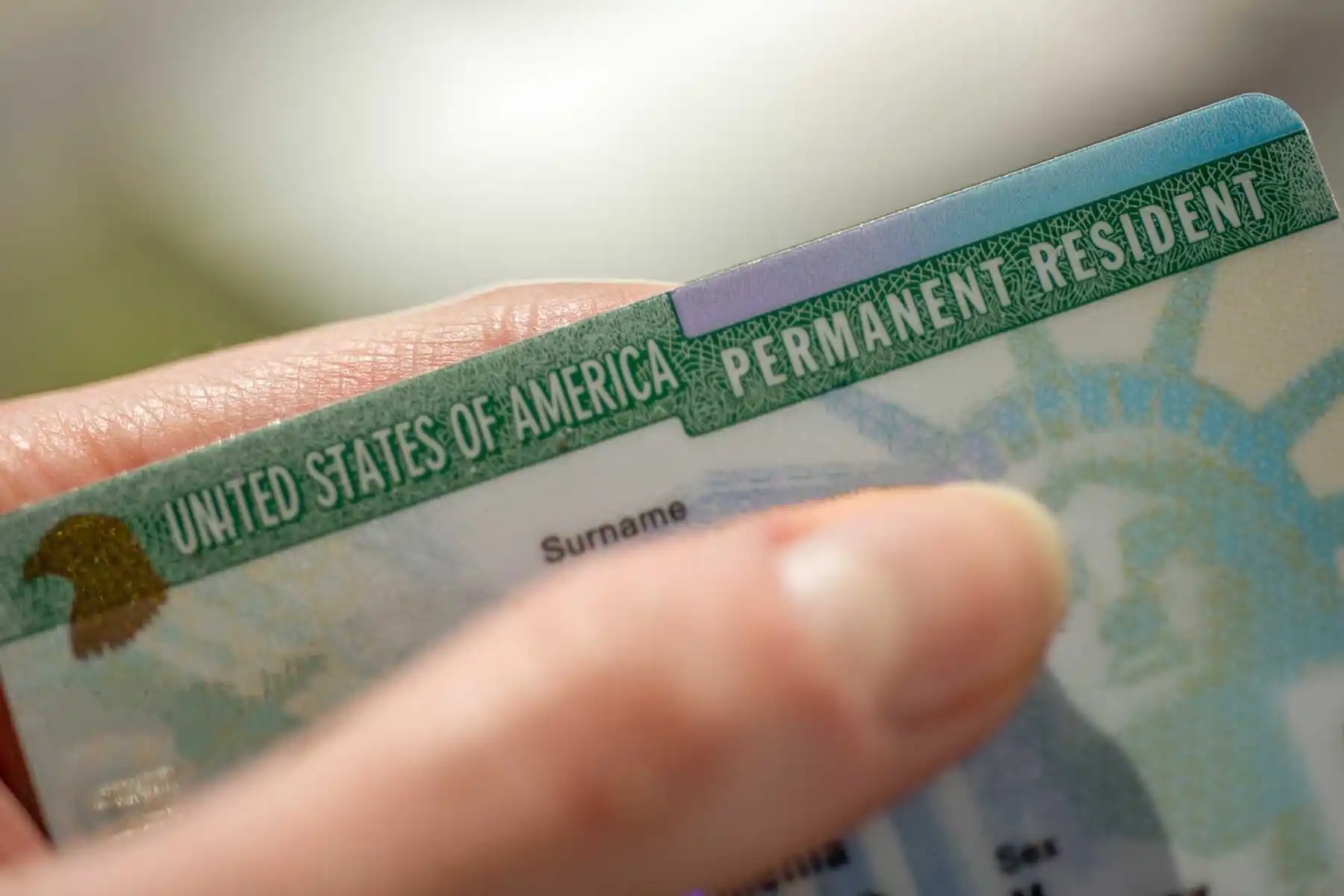
Which Green Card Path Is Right for You?
A green card can give immigrants the stability to live and work permanently in the United States. It can also open the door to long-term planning, family security, and, for many people, eventual U.S. citizenship. Still, one of the hardest parts of the process is figuring out which green card path actually fits your circumstances.
There is no single route that works for everyone. Some people qualify through a U.S. citizen spouse. Others may qualify through employment, humanitarian protection, military family benefits, asylum, Special Immigrant Juvenile Status, or another immigration category. In Clearwater, applicants from areas such as Greenbriar, Morningside, and the neighborhoods near BayCare Ballpark may have more than one possible option, while others may face barriers that require careful legal planning before they can move forward.
Start With Your Current Immigration Situation
Before choosing a green card path, it is important to understand where you currently stand. Immigration eligibility often depends on details that may seem small but can make a major difference.
For example, an applicant may need to know whether they entered the United States with inspection, entered without inspection, were paroled into the country, overstayed a visa, previously received a removal order, or filed any earlier immigration applications. Someone who came to the United States with a tourist visa and later married a U.S. citizen may have a different path from someone who entered without inspection and has the same marriage relationship.
Your current status also matters. A person with Temporary Protected Status, DACA, asylum, parole, a pending court case, or no lawful status may have different options and risks. Some people may qualify to apply for adjustment of status inside the United States, while others may need consular processing through a U.S. embassy or consulate abroad.
Because immigration law is fact-specific, the first step is not simply choosing a category. It is reviewing your full history so you understand which paths are legally available and which ones may create complications.
Family-Based Green Cards
Family-based immigration is one of the most common ways people become lawful permanent residents. U.S. citizens and lawful permanent residents may be able to petition for certain relatives, but the available options depend on the sponsor's status and the family relationship.
U.S. citizens can generally petition for spouses, unmarried children under 21, parents if the citizen is at least 21, adult children, married children, and siblings. Lawful permanent residents can usually petition for spouses and unmarried children, but not parents, married children, or siblings.
Immediate relatives of U.S. citizens, including spouses, unmarried children under 21, and parents of adult U.S. citizens, often have an important advantage because they are not subject to annual visa caps. This can make the process faster than preference category cases.
Preference category cases may involve longer waiting periods. These include adult children, married children, siblings, and many relatives of lawful permanent residents. Waiting times may vary based on the category and the applicant's country of birth.
Family-based immigration may be the right path if you have a qualifying relative who is willing and eligible to sponsor you. However, family sponsorship still requires proof of the relationship, financial sponsorship, admissibility, and careful review of any immigration or criminal issues.
Marriage-Based Green Cards
Marriage to a U.S. citizen or lawful permanent resident is one of the most familiar green card pathways, but it is not automatic. Immigration authorities review marriage-based cases closely to confirm that the marriage is genuine and not entered solely for immigration benefits.
A strong marriage-based case may include evidence such as shared housing, joint finances, photographs, communications, affidavits from people who know the couple, children's birth certificates if applicable, insurance records, and other proof of a shared life.
For immigrants in Clearwater, a marriage-based green card may be a strong option if the relationship is real and legally valid. However, the applicant's immigration history still matters. Prior unlawful presence, misrepresentation, criminal charges, or earlier removal orders can affect eligibility.
Some spouses may qualify for adjustment of status in the United States. Others may need waivers or consular processing. The right strategy depends on how the person entered the country, their immigration record, and whether any legal barriers apply.
Employment-Based Green Cards
Some immigrants may qualify for a green card through employment. These cases often involve a U.S. employer sponsoring the worker, although certain individuals may qualify through self-petition options depending on their skills, achievements, or national interest factors.
Employment-based green card cases may involve professionals, skilled workers, multinational executives, investors, religious workers, researchers, individuals with extraordinary ability, and workers whose employment serves an important need.
This path may be appropriate for people with strong education, specialized training, in-demand experience, or a qualifying job offer. However, employment-based immigration can be document-heavy and technical. Some cases require labor certification to show that there are not enough available U.S. workers for the position. Others require evidence of exceptional qualifications.
Employment-based immigration is not always the fastest option, but it can be an important path for people who do not have qualifying family sponsors or who have built a career in the United States.
Humanitarian Green Card Pathways
Some immigrants qualify for permanent residence through humanitarian protections. These pathways are designed for people who have experienced serious harm, fear returning to their home country, or have been victims of certain crimes or abuse.
Humanitarian paths may include asylum, refugee status, VAWA, U visas, T visas, and Special Immigrant Juvenile Status.
A person granted asylum may generally apply for a green card after meeting the required period of physical presence and other eligibility rules. VAWA may help certain abused spouses, children, or parents of U.S. citizens or lawful permanent residents self-petition without relying on the abusive relative. U visas may help victims of certain crimes who cooperate with law enforcement. T visas may help victims of human trafficking. SIJS may help certain children who cannot reunify with one or both parents because of abuse, abandonment, neglect, or a similar basis under state law.
These cases often involve sensitive facts and detailed evidence. They may be the right path for someone whose immigration situation is connected to abuse, violence, exploitation, family breakdown, or fear of persecution. Because they can involve safety concerns, confidentiality, and trauma, they should be handled with care.
Green Cards Through Asylum or Refugee Status
Asylum and refugee status are separate humanitarian protections for people who fear persecution based on protected grounds. Once someone has been granted asylum or admitted as a refugee, they may later become eligible to apply for a green card.
This path may be right for individuals who cannot safely return to their country because of persecution related to race, religion, nationality, political opinion, or membership in a particular social group. Asylum cases may involve political violence, threats, religious persecution, government abuse, or other serious dangers.
However, applying for asylum is different from applying for a green card. A person must first qualify for asylum or refugee protection. Then, after meeting the requirements, they may move toward lawful permanent residence.
For people already in removal proceedings, asylum may also function as a defense against deportation. If granted, it may eventually lead to permanent residence.
VAWA as a Path to a Green Card
VAWA can be an important green card pathway for immigrants who experienced abuse by a qualifying U.S. citizen or lawful permanent resident family member. Despite the name, VAWA is not limited to women. Men, women, and children may be eligible if they meet the requirements.
One of the most important features of VAWA is that the applicant may self-petition. This means the abusive relative does not need to participate, sign forms, or know about the filing.
VAWA may be the right path if the immigrant has a qualifying relationship with an abusive spouse, parent, or adult child and can show battery or extreme cruelty, good moral character, and other required elements.
For many survivors, VAWA offers a way to seek immigration stability without remaining dependent on the person causing harm.
U Visas and T Visas
U visas and T visas may eventually lead to green cards for qualifying applicants.
A U visa is for certain victims of qualifying crimes who suffered harm and helped, are helping, or are likely to help law enforcement with the investigation or prosecution of the crime. Common qualifying crimes may include domestic violence, felonious assault, sexual assault, trafficking, and other serious offenses.
A T visa is for victims of human trafficking. This may involve forced labor, commercial sexual exploitation, coercion, fraud, or force. T visa cases often require careful evidence showing trafficking and the applicant's connection to the United States.
These paths may be right for immigrants who have been harmed by crime or exploitation and meet the legal requirements. They are not quick fixes, but they may provide protection, work authorization, and eventual green card eligibility.
Special Immigrant Juvenile Status
Special Immigrant Juvenile Status may help certain children and young people who cannot safely reunify with one or both parents because of abuse, abandonment, neglect, or a similar basis under state law.
SIJS cases involve both state court and immigration filings. In Florida, a court must make specific findings about the child's circumstances before the immigration petition can move forward.
This may be the right path for a child living with one parent, a relative, a guardian, or another caregiver after being mistreated, abandoned, or neglected by a parent. SIJS can eventually lead to a green card, but timing is critical because age requirements apply.
Families in Clearwater should not delay if they believe a child may qualify, especially when the child is approaching an important age deadline.
Military-Related Immigration Options
Some service members, veterans, and their families may have special immigration options. A non-citizen service member may qualify for naturalization through military service, and citizenship may then expand family sponsorship opportunities.
Certain family members of U.S. military personnel may also qualify for military-related immigration relief, depending on the circumstances. These options can matter for spouses, parents, or children who need a lawful pathway but face barriers related to entry or status.
Military-related cases often require careful review of service records, family relationships, and immigration history. For families connected to military service in Florida, these options may be worth exploring.
Adjustment of Status or Consular Processing
Choosing the right green card path also means understanding where the application will be completed. Some immigrants may qualify for adjustment of status inside the United States. Others may need to complete consular processing abroad.
Adjustment of status may be available when the person is physically present in the United States and meets the legal requirements. This option may allow the applicant to remain in the country while the case is pending.
Consular processing usually involves applying through a U.S. embassy or consulate outside the United States. This can be appropriate for applicants living abroad or for certain people who cannot adjust status inside the U.S.
The choice matters because leaving the United States can trigger serious consequences for some immigrants, especially those with unlawful presence or prior immigration violations. Waivers may be available in certain cases, but they require careful preparation.
Start Your Permanent Future With a Green Card Attorney in Clearwater
Lawful permanent residency is more than just a card in your wallet. It is the foundation of a stable, secure, and permanent life in the United States. At Saavedra & Perez Law, our Clearwater green card attorney team is dedicated to helping clients identify the right pathway to permanent residency and navigate every step of the process with the skill and attention to detail that such an important application requires. Pursuing a green card through family, employment, humanitarian relief, or another qualifying category requires a complete, compelling, and carefully prepared application. Our team helps Clearwater clients from areas near Edgewater Drive, Coachman Ridge, and the communities around Lake Bellevue understand their options and move forward with confidence. Your permanent future in Clearwater starts with a single phone call. Contact Saavedra & Perez Law today at 727-263-3568 and let our green card attorney team help you build the foundation you deserve.

Written by
Michelle Perez
Immigration Removal Defense | Immigration Appeals | Crimmigration | VAWA | Military-Based Immigration
Michelle Perez, JD, is a founding attorney at Saavedra & Perez Law, PLLC, where she leads the firm's removal defense and immigration appeals practice. The daughter of immigrants herself, Michelle has lived this work firsthand - including personally guiding her father through the pardon process after decades-old criminal charges kept him from his home country for 58 years. Licensed in Florida with over a decade of experience, she represents clients in Immigration Court, before the Board of Immigration Appeals (BIA), and in federal proceedings, concentrating on removal defense, cancellation of removal, VAWA, waivers, and complex immigration matters involving criminal history. A member of the American Immigration Lawyers Association (AILA), she has presented at AILA panels on immigration law and client experience. Michelle is known for taking on complex, high-stakes cases and crafting creative legal arguments.