
Visa Lawyer Clearwater
Visiting, working, studying, reuniting with family, or taking the first steps toward permanent residency in the United States often begins with the visa process. With dozens of visa categories available, each carrying its own eligibility requirements, documentation standards, and limitations, applicants in Clearwater may find it difficult to know where to start. From families near Sand Key to students and professionals around Clearwater High School, Morton Plant Hospital, and nearby Largo, professional guidance can help make the process clearer and less overwhelming. At Saavedra & Perez Law in Clearwater, Florida, our visa lawyer team helps individuals and families identify the right visa category, prepare complete and compelling applications, and navigate the consular or adjustment process from start to finish. We are committed to making the visa process as smooth and successful as possible for every client we serve. Call us today at 727-263-3568 for a free consultation and let us help you take the right first step toward your future in the United States.
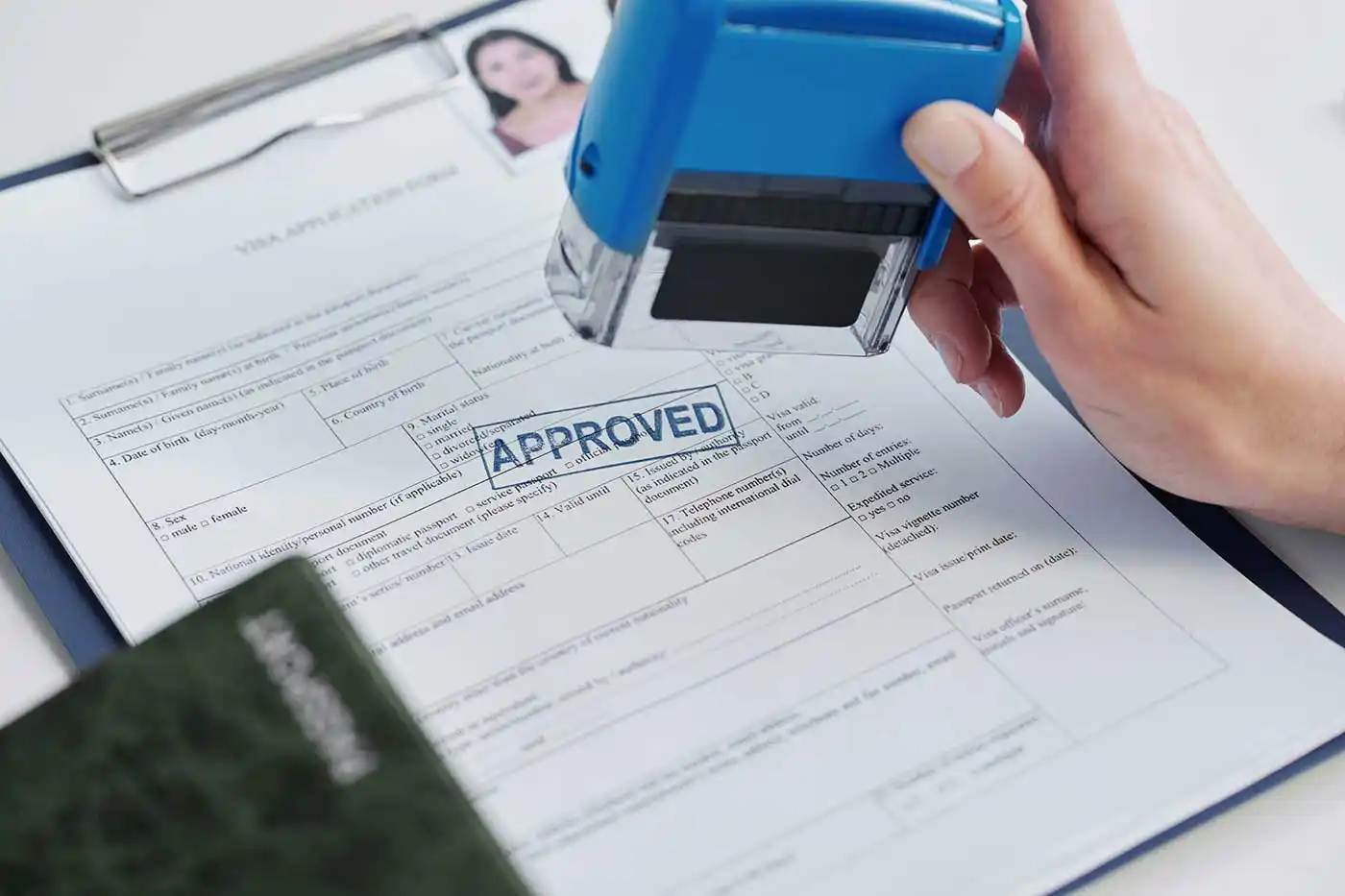
What's the Difference Between an Immigrant Visa and a Nonimmigrant Visa?
Immigration terms can be difficult to understand, especially when two phrases sound similar but have very different legal meanings. Many people in Clearwater, from families around North Greenwood to professionals commuting along US 19 and students near St. Petersburg College Clearwater Campus, use the word "visa" to describe almost any immigration document. However, U.S. immigration law separates visas into different categories, and one of the most important distinctions is between immigrant visas and non-immigrant visas.
For immigrants and families in Clearwater, Florida, knowing the difference can help prevent confusion during the application process. An immigrant visa is generally connected to permanent residence. A non-immigrant visa is usually connected to a temporary purpose, such as visiting, studying, working, or participating in an exchange program. Choosing the wrong path or misunderstanding the limits of a visa can lead to delays, denials, overstays, or future immigration problems.
What a Visa Actually Does
A visa is a travel document placed in a person's passport by a U.S. embassy or consulate abroad. It allows the person to travel to a U.S. port of entry and ask for permission to enter the United States. A visa does not automatically guarantee entry. Customs and Border Protection officers still decide whether the person may enter and how long they may stay.
This is one reason many immigrants become confused. A visa may be valid for several years, but that does not always mean the person can remain in the United States for that entire period. The visa controls travel to the port of entry. The period of authorized stay is usually determined when the person is admitted, often through an I-94 record.
Before deciding which visa applies, it is important to understand whether the person's goal is temporary or permanent.
What an Immigrant Visa Means
An immigrant visa is for someone who intends to live permanently in the United States. It is usually part of the process of becoming a lawful permanent resident, commonly called a green card holder.
Many immigrant visas are based on family sponsorship. A U.S. citizen or lawful permanent resident may petition for a qualifying relative, such as a spouse, child, parent, or sibling, depending on the sponsor's status and the family relationship. Other immigrant visas may be based on employment, investment, humanitarian classifications, or special immigrant categories.
When someone receives an immigrant visa through a U.S. consulate and enters the United States using that visa, they are generally admitted as a lawful permanent resident. Their physical green card is usually mailed afterward. In other words, the immigrant visa is the document that allows the person to enter the United States as a permanent resident.
This differs from adjustment of status, which is the process some people use to apply for a green card from inside the United States. In an immigrant visa case, the person usually completes consular processing abroad before entering as a resident.
Common Types of Immigrant Visa Cases
Immigrant visa cases often fall into several broad categories. Family-based immigrant visas are among the most common. These may include spouses of U.S. citizens, unmarried children, parents of U.S. citizens, married adult children, siblings, and certain relatives of lawful permanent residents. Some family members are considered immediate relatives, while others fall into preference categories with waiting periods.
Employment-based immigrant visas may apply to workers with job offers, professionals, skilled workers, multinational managers, investors, religious workers, individuals with extraordinary ability, or people whose work meets certain national interest requirements. These cases can involve employer sponsorship, labor certification, or evidence of exceptional qualifications.
Other immigrant visa paths may include diversity visas, certain humanitarian-related pathways, and special immigrant categories. Each category has its own requirements, documentation, and timeline.
The important point is that immigrant visas are connected to permanent residence. They are meant for people who are legally moving toward living in the United States long-term.
What a Nonimmigrant Visa Means
A non-immigrant visa is for someone who plans to come to the United States temporarily for a specific purpose. This purpose could be tourism, school, temporary work, business meetings, medical treatment, cultural exchange, or another short-term activity.
Nonimmigrant visas do not usually provide permanent residence. They allow entry for a limited purpose and often come with strict rules. A person who enters on a visitor visa cannot simply start working. A person who enters on a student visa must generally follow the requirements of their academic program. A person with a temporary work visa may only be authorized to work for the sponsoring employer or within the approved terms.
Common non-immigrant visa categories include visitor visas, student visas, exchange visitor visas, temporary work visas, fiancé visas, treaty investor visas, and certain visas for diplomats, athletes, religious workers, or specialized occupations.
Because non-immigrant visas are temporary, applicants may need to show that they intend to follow the terms of the visa and leave the United States when required, unless the category allows a different long-term strategy.
Temporary Purpose Does Not Always Mean Simple
Some people assume non-immigrant visas are easier because they are temporary. That is not always true. Many temporary visa cases require detailed evidence, employer filings, school records, financial documentation, proof of ties abroad, or explanations of travel purpose.
A tourist visa applicant may need to show they plan to visit temporarily and have reasons to return home. A student visa applicant must show acceptance into an approved school and the ability to pay for studies. A work visa applicant may need an employer petition approved before applying at a consulate.
Nonimmigrant visa denials are common when the officer believes the applicant has not shown eligibility, has unclear intentions, lacks sufficient documentation, or may not comply with the visa terms.
For Clearwater families hoping to bring relatives for visits, graduations, medical care, or temporary stays, it is important to understand that non-immigrant visa approval is not automatic. The applicant must qualify under the specific category.
The Main Difference Is Intent
One of the biggest differences between immigrant and non-immigrant visas is intent.
An immigrant visa is for someone who intends to become a permanent resident. The goal is long-term residence in the United States. The person is not trying to prove that they will leave after a short stay because the visa category itself is designed for immigration.
A non-immigrant visa is usually for someone who intends to come temporarily. The person must generally follow the purpose and limits of that visa. For many non-immigrant categories, the applicant may need to show that they do not plan to remain in the United States permanently at that time.
This distinction matters because saying the wrong thing, applying under the wrong category, or using a temporary visa for a permanent purpose can create problems. For example, someone who applies for a tourist visa while secretly planning to move permanently may face allegations of misrepresentation. Misrepresentation can seriously affect future immigration options.
Some non-immigrant categories allow what is known as dual intent, meaning the person may temporarily enter the United States while also having a possible future immigrant process. However, not every visa category allows this. Applicants should understand the rules before applying or traveling.
Work Permission Is Different in Each Category
Another major difference involves work authorization. Immigrant visa holders who enter as lawful permanent residents generally have the right to work in the United States. A green card holder does not need a separate temporary work visa to accept employment.
Nonimmigrant visa holders have more limited work rights. Some non-immigrant categories allow employment only under specific conditions. Others do not allow employment at all.
For example, a visitor visa does not authorize employment. A student visa may allow limited work in certain circumstances, but unauthorized employment can create immigration problems. A temporary work visa may allow the person to work only for a specific employer in a specific role. A fiancé visa holder may need separate authorization before working.
Working without authorization can affect future immigration applications, including green card eligibility. Immigrants should confirm their employment rights before accepting any job.
Length of Stay and Expiration Dates
Immigrant visas and non-immigrant visas also differ in how long a person may remain in the United States.
A person who enters with an immigrant visa becomes a lawful permanent resident. Permanent residence does not mean there are no responsibilities, but it is not limited in the same way as a temporary stay. Green card holders must follow U.S. laws, avoid abandonment of residence, renew the physical card when required, and understand how long trips abroad may affect them. Still, their status is intended to be permanent.
Nonimmigrant visas are limited. The visa stamp may have an expiration date, and the authorized stay may have a separate end date. This distinction matters. A person may have a visa stamp that remains valid but still be required to leave or extend status based on the I-94 expiration date or program rules.
Overstaying a non-immigrant visa can have serious consequences. It may affect future visa applications, green card eligibility, and the ability to return to the United States after departure.
Can a Non-immigrant Visa Lead to a Green Card
Sometimes, yes. A non-immigrant visa does not automatically lead to a green card, but some people later become eligible for permanent residence through a separate process.
For example, a person who came on a student visa may later qualify through employment sponsorship. Someone on a temporary work visa may eventually pursue an employment-based green card. A person who came temporarily may marry a U.S. citizen and become eligible for a family-based green card. Some individuals may qualify for asylum, VAWA, a U visa, a T visa, or another humanitarian pathway after entering the United States.
The key is that the green card requires its own eligibility basis. Simply staying in the United States on a non-immigrant visa does not automatically create permanent residence.
Timing and intent can also matter. If someone enters the United States on a temporary visa while already intending to remain permanently, that may create legal concerns depending on the facts. This is why immigration planning should be careful and honest from the beginning.
What Happens if You Choose the Wrong Visa
Applying for the wrong visa can create delays, denials, or long-term immigration problems. A person seeking permanent residence may waste time applying for a temporary visa that does not fit their goals. A person seeking a short visit may create suspicion if their application suggests they actually plan to immigrate.
Problems can also arise if a person enters on one visa but violates its conditions. For example, working on a visitor visa, failing to attend school on a student visa, overstaying a temporary stay, or changing plans without proper authorization may affect future immigration benefits.
The right visa category should match the person's true purpose. If the goal is to visit temporarily, a non-immigrant visa may be appropriate. If the goal is to move permanently through family, employment, or another qualifying path, an immigrant visa or green card strategy may be needed.
Why Legal Guidance Can Help
Visa decisions can affect a person's future for years. The category chosen, the answers given on applications, the documents submitted, and the timing of travel can all matter. This is especially true for applicants with prior visa denials, overstays, unlawful presence, criminal history, removal orders, or family members in the United States.
For immigrants and families in Clearwater, legal guidance can help clarify whether an immigrant or non-immigrant option is more appropriate. An attorney can review goals, immigration history, family relationships, work opportunities, and possible barriers before an application is filed.
This kind of review can help prevent avoidable mistakes and identify stronger options when more than one path may exist.
Choose the Visa Path That Fits Your Future
The difference between an immigrant visa and a non-immigrant visa comes down to purpose, intent, and long-term goals. An immigrant visa is generally for someone moving toward permanent residence in the United States. A non-immigrant visa is usually for someone coming temporarily for a specific reason, such as visiting, studying, working, or participating in an approved program.
For immigrants in Clearwater, Florida, understanding this distinction can help protect future immigration opportunities. The wrong choice, incomplete information, or misunderstanding the rules can lead to delays or serious consequences.
Navigate the Visa Process With Confidence With a Clearwater Visa Attorney
Understanding which visa is right for your situation and preparing a complete, well-documented application can be the difference between approval and a costly denial. At Saavedra & Perez Law, our Clearwater visa attorney team brings thorough knowledge of the full range of U.S. visa categories to every consultation, helping clients make informed decisions about their immigration options and guiding them through the application process from start to finish. Applying for a temporary visa, pursuing permanent residency, or addressing an urgent visa complication can all require careful legal guidance. Our team provides focused support for Clearwater clients near Cleveland Street, the Harbor Oaks area, and the communities along McMullen Booth Road, helping them understand their options and move forward with a stronger application. Saavedra & Perez Law is here for you every step of the way. Call us today at 727-263-3568 and let our visa attorney team help you move forward with clarity and confidence.

Written by
Michelle Perez
Immigration Removal Defense | Immigration Appeals | Crimmigration | VAWA | Military-Based Immigration
Michelle Perez, JD, is a founding attorney at Saavedra & Perez Law, PLLC, where she leads the firm's removal defense and immigration appeals practice. The daughter of immigrants herself, Michelle has lived this work firsthand - including personally guiding her father through the pardon process after decades-old criminal charges kept him from his home country for 58 years. Licensed in Florida with over a decade of experience, she represents clients in Immigration Court, before the Board of Immigration Appeals (BIA), and in federal proceedings, concentrating on removal defense, cancellation of removal, VAWA, waivers, and complex immigration matters involving criminal history. A member of the American Immigration Lawyers Association (AILA), she has presented at AILA panels on immigration law and client experience. Michelle is known for taking on complex, high-stakes cases and crafting creative legal arguments.