
T-Visa Lawyer Florida
If you or someone you love has been a victim of human trafficking, you may be entitled to critical legal protections under U.S. immigration law. The T-Visa was created specifically to help survivors of severe forms of trafficking rebuild their lives with safety and stability, offering not only lawful status but also access to federal benefits and, eventually, a path to a green card. At Saavedra & Perez Law, our dedicated team of T-Visa lawyers in Florida understands the courage it takes to come forward, and we are committed to guiding you through every step of the process with compassion and discretion. Whether you are currently in contact with law enforcement or are just beginning to explore your options, we are here to help. Contact us today at 727-263-3568 to schedule your free consultation and take the first step toward safety and a secure future.
How the T-Visa Protects Human Trafficking Survivors in Florida
Human trafficking happens in communities, neighborhoods, homes, and in plain sight. Florida consistently ranks among the top states in the country for reported human trafficking cases, which means the legal protections available to survivors here are not just relevant, they are urgently necessary. One of the most important of those protections is the T-Visa, a federal immigration benefit that gives trafficking survivors a way to stabilize their lives and, in many cases, build a permanent future in the United States.
If you or someone you know may have been trafficked, understanding how this visa works could change everything.
What the T-Visa Actually Is
The T-Visa is a non-immigrant visa created by the Trafficking Victims Protection Act of 2000. Congress designed it specifically for survivors of severe forms of human trafficking, both labor trafficking and sex trafficking. It does two important things at once. First, it allows survivors to remain lawfully in the United States. Second, it gives them access to federal benefits and services that can help them recover and rebuild.
There are two versions. The T-1 visa is for the primary trafficking survivor. The T-2 through T-6 categories are available for certain qualifying family members, depending on the age of the primary applicant. This matters because trafficking situations rarely affect just one person, and family safety is often part of the equation.
Who Qualifies
Not everyone who has experienced exploitation automatically qualifies for a T-Visa. The legal standard is specific. To be eligible, you must meet all of the following criteria.
You must be a victim of a severe form of trafficking in persons. Under federal law, this means either sex trafficking involving force, fraud, or coercion, or labor trafficking where force, fraud, or coercion is used to compel work or services. Age matters here as well. Minors under 18 who are induced to perform commercial sex acts qualify regardless of whether force, fraud, or coercion was involved.
You must be physically present in the United States as a result of trafficking. This does not mean you had to have been brought here from another country. Domestic trafficking victims, including U.S. citizens, can also be trafficked, though the T-Visa is specifically an immigration benefit and therefore applies to foreign nationals.
You must comply with reasonable requests from law enforcement in the investigation or prosecution of trafficking, unless you are a minor or are unable to cooperate due to physical or psychological trauma. This requirement trips up many applicants, so it is worth understanding carefully. Law enforcement cooperation does not necessarily mean testifying in court. It can mean providing a statement, helping identify a trafficker, or assisting in other ways. An attorney can help you understand what is being asked of you and how to respond.
Finally, you must demonstrate that you would suffer extreme hardship involving unusual and severe harm if removed from the United States.
The Application Process in Florida
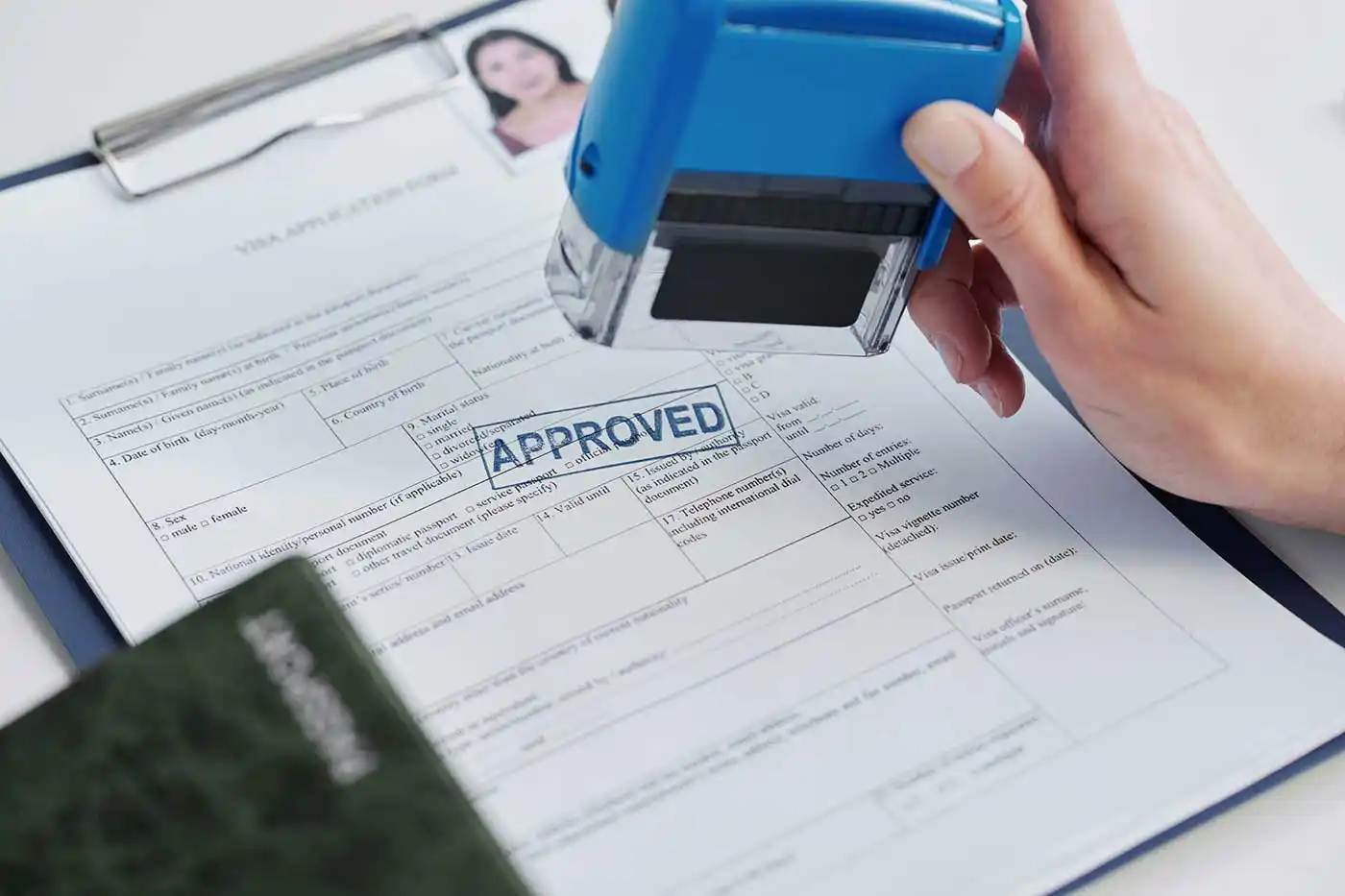
Applying for a T-Visa involves filing Form I-914 with U.S. Citizenship and Immigration Services. Along with this form, applicants typically submit a personal statement describing the trafficking they experienced, evidence supporting their account, and a law enforcement certification known as the I-914B, which confirms that the applicant has cooperated with investigators.
That certification is not always easy to obtain, and it is not always required if law enforcement is unavailable or unresponsive. USCIS has the discretion to waive the certification requirement in certain circumstances, though this does not make the application easier. It simply means there is a pathway for survivors who cannot get law enforcement involvement.
Florida has several agencies and task forces that work with trafficking survivors, including those connected to the Department of Homeland Security, local law enforcement, and nonprofit organizations. Having legal representation when navigating these relationships makes a significant difference in how smoothly the process moves forward.
What the T-Visa Provides
Approval comes with meaningful and immediate benefits. T-Visa holders receive four years of lawful immigration status in the United States. During that time, they are eligible to work legally. They can also access federally funded benefits and services through the Office of Refugee Resettlement, including housing assistance, mental health services, job training, and medical care.
Four years is not a permanent solution, but it is not the end of the road either. After three years of continuous physical presence, or after the investigation or prosecution that prompted the visa is complete, T-Visa holders may be eligible to apply for lawful permanent residency, commonly known as a green card. This is a significant option because it provides long-term stability rather than a temporary fix.
Common Misconceptions That Keep Survivors from Applying
One of the biggest barriers survivors face is misinformation. Several persistent myths prevent people from even exploring whether they qualify.
Some believe that they must have crossed a border illegally to qualify. This is false. Trafficking can happen to someone who entered the country on a valid visa or even someone already living here without status.
Others believe that if they did not fight back or escape immediately, they will not be believed or will not qualify. This reflects a misunderstanding of how trauma works and how trafficking situations actually operate. Traffickers use psychological manipulation, debt bondage, threats, and isolation to maintain control. A survivor's behavior during their trafficking situation does not disqualify them from protection.
There is also a fear that applying will lead to deportation rather than protection. This concern is understandable, but the T-Visa process includes specific protections against removal while an application is pending. Working with an attorney who understands this process is the most reliable way to make sure those protections are in place from the start.
Why Legal Representation Matters
The T-Visa application is not a simple form. It requires a carefully constructed personal statement, corroborating evidence, coordination with law enforcement when applicable, and a clear legal argument for why the applicant meets every element of the standard. A poorly prepared application can result in a denial that might have been avoided with proper guidance.
Beyond the paperwork, an attorney serves as a buffer between the survivor and agencies or institutions that can feel intimidating or unsafe. In Florida, where trafficking cases range from agricultural labor exploitation in rural areas to sex trafficking in urban centers, the specific facts of each case shape the legal strategy significantly. One approach does not fit all situations.
Your T-Visa Attorney in Florida Is Ready to Fight for You
Survivors of human trafficking deserve more than just sympathy; they deserve real legal protection and a clear path forward. At Saavedra & Perez Law, our Florida T-Visa attorney team is ready to stand in your corner, fight for your rights, and help you access the full protections that U.S. law provides. We know that every survivor's story is different, and we approach each case with the sensitivity, confidentiality, and determination it requires. From gathering the evidence needed to support your application to preparing you for every stage of the process, we are with you every step of the way. Do not let fear or uncertainty keep you from the safety and stability you deserve. Call Saavedra & Perez Law today at 727-263-3568 to speak with a member of our team and take the first courageous step toward a better future.

Written by
Michelle Perez
Immigration Removal Defense | Immigration Appeals | Crimmigration | VAWA | Military-Based Immigration
Michelle Perez, JD, is a founding attorney at Saavedra & Perez Law, PLLC, where she leads the firm's removal defense and immigration appeals practice. The daughter of immigrants herself, Michelle has lived this work firsthand - including personally guiding her father through the pardon process after decades-old criminal charges kept him from his home country for 58 years. Licensed in Florida with over a decade of experience, she represents clients in Immigration Court, before the Board of Immigration Appeals (BIA), and in federal proceedings, concentrating on removal defense, cancellation of removal, VAWA, waivers, and complex immigration matters involving criminal history. A member of the American Immigration Lawyers Association (AILA), she has presented at AILA panels on immigration law and client experience. Michelle is known for taking on complex, high-stakes cases and crafting creative legal arguments.