
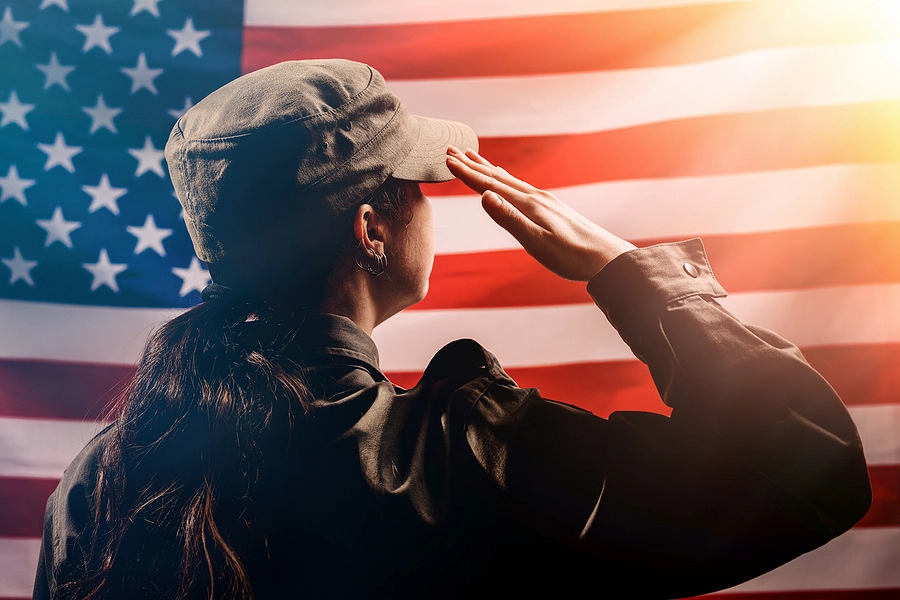
For many immigrants, military service is a deeply personal decision, one rooted in a desire to give back to the country they hope to call home. What many may not realize is that certain veterans are eligible for expedited naturalization through their military service. This process, while faster than traditional routes, still has specific eligibility requirements and procedural steps. Understanding how military service intersects with U.S. immigration law can make a significant difference for noncitizen veterans seeking citizenship.
Military Service as a Pathway to Citizenship
U.S. immigration law provides pathways to naturalization for individuals who have served honorably in the armed forces. These provisions exist as a form of recognition for the sacrifices made by service members and to promote military readiness by allowing legal residents and some nonresidents to enlist.
Naturalization through military service can take place during periods of peace or designated periods of hostilities. The requirements differ depending on when the service occurred, but both routes offer important benefits, including waived residency requirements and shortened timeframes for applying.
Naturalization During Hostilities
Section 329 of the Immigration and Nationality Act (INA) outlines a special provision for military service members who served during periods of hostilities. The most recent designated period began on September 11, 2001. As of the time of publication, this designation remains in effect; however, the President has authority to end the designation by executive order. Applicants should confirm the current status of this designation with an immigration attorney before applying under INA § 329, as a change in designation could affect eligibility.
Under this provision, there is no requirement to be a lawful permanent resident (green card holder) at the time of applying for naturalization. Applicants must demonstrate:
- Honorable service in the U.S. armed forces for any period of time, even one day
- Service during a designated period of hostilities
- Good moral character
- Knowledge of English and U.S. civics (with some exceptions)
- Attachment to the principles of the U.S. Constitution
Applicants under this category are also exempt from the typical five-year or three-year continuous residency requirement.
Naturalization During Peacetime
If a veteran’s service did not occur during a designated period of hostility, Section 328 of the INA may apply. This provision requires:
- At least one year of honorable military service
- Lawful permanent resident status at the time of application
- Good moral character
- English language proficiency and basic knowledge of U.S. history and government
There is no requirement that the service occurred within a specific number of years before applying. An applicant may apply based on prior honorable service as long as all other eligibility requirements are met, including lawful permanent resident status at both the time of enlistment and the time of application.
Required Documentation
Applicants must submit several documents to support their application. These often include:
- Form N-400 (Application for Naturalization)
- Form N-426 (Request for Certification of Military or Naval Service)
- DD Form 214 (Certificate of Release or Discharge from Active Duty)
- Proof of lawful permanent residency (if applying under peacetime provisions)
Depending on the applicant’s status and background, additional documentation may be required. Any disciplinary actions, criminal history, or discrepancies in service records may complicate the application process.
Benefits of Expedited Naturalization
One of the main benefits of military-based naturalization is the removal or relaxation of common barriers that other applicants face. These may include:
- No need to meet the physical presence or continuous residence requirements (for wartime service)
- Waiver of some application fees
- Access to USCIS military help lines and support units
- Potential eligibility for overseas naturalization, which means applicants can complete the process while stationed abroad
These benefits reflect the U.S. government’s acknowledgment of military service and are intended to streamline the path to citizenship.
Challenges Veterans May Face
Despite the availability of expedited pathways, many veterans—especially those who have left the military—encounter hurdles. Some common issues include:
- Lack of access to proper legal advice or guidance during or after service
- Difficulty obtaining service records or proof of honorable discharge
- Misunderstandings about eligibility due to misinformation or changing policies
- Risk of removal or deportation if naturalization was not pursued before legal status lapsed
However, veterans with lapsed status are not necessarily without options. Parole in place (PIP) has historically been available to veterans and their immediate family members, allowing them to remain in the U.S. while pursuing a path to lawful status. The availability of PIP depends on current policy and individual circumstances, so consulting an immigration attorney promptly is strongly recommended.
For these reasons, it’s critical for veterans to consult an experienced immigration attorney early in the process. Taking a proactive approach can help avoid costly delays or legal complications down the line.
The Importance of Timely Action
Veterans who served honorably but never applied for citizenship should consider doing so as soon as possible. Immigration law can change over time, and while current policies favor military service members, there are no guarantees about future rules.
In some cases, veterans who are out of status or who have past legal issues may still qualify for naturalization based on their military service. Each case is unique, and the details matter. Promptly gathering documentation and seeking legal guidance can mean the difference between success and disappointment.
What About Family Members?
It is also worth noting that INA § 329A provides for posthumous citizenship for service members who died honorably during a designated period of hostilities. This citizenship is granted to the service member themselves as a form of recognition — it does not transfer to or naturalize surviving family members.
That said, surviving family members of deceased service members may have access to separate immigration benefits, such as certain humanitarian visa categories or parole options. These benefits are distinct from naturalization and depend on the family member’s individual circumstances. An immigration attorney can help identify what options may be available to a surviving spouse or child.
Saavedra & Perez Law Assists Veterans with Citizenship
At Saavedra & Perez Law in Fairfax, we are honored to support veterans and their families as they navigate the path to U.S. citizenship. We recognize the sacrifices made by service members and are committed to helping them secure the immigration benefits they’ve earned.
Whether you are still serving, have completed your service, or are seeking support for a family member, our legal team is here to help you understand your rights and options. The road to citizenship doesn’t have to be complicated—especially for those who’ve already given so much. Reach out to us today to schedule a consultation and take the next step forward.
